
Content warning: This section talks openly about serious illness, depression, suicidal thoughts, body image struggles, hospital trauma and rebuilding life after rock bottom. I share this because I believe honesty can help people feel less alone — and because if my story helps even one person keep going, then it is worth telling.
JDM was not built from theory.
It was built from hospital beds, dialysis chairs, intensive care, panic attacks, broken sleep, weight gain, depression, fear, and the kind of dark thoughts most people are too ashamed to say out loud.
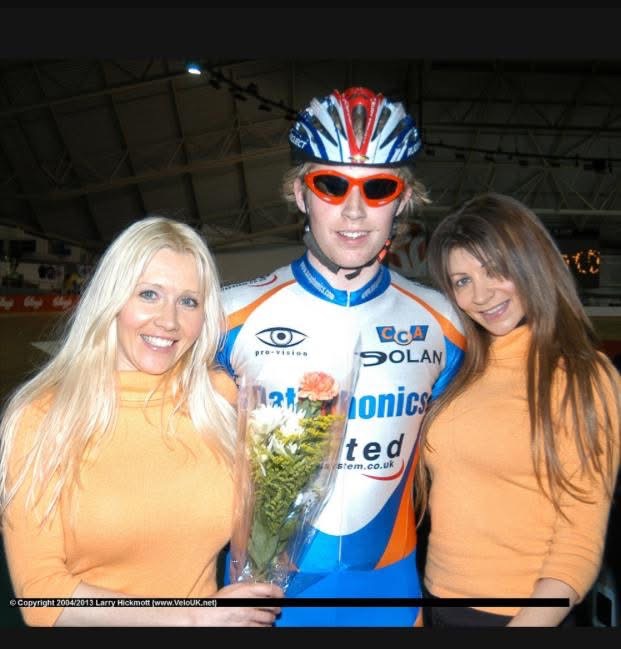
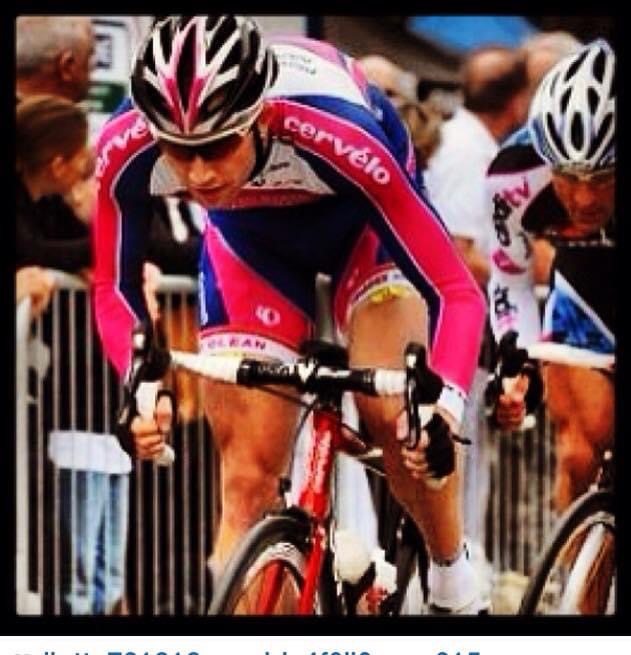
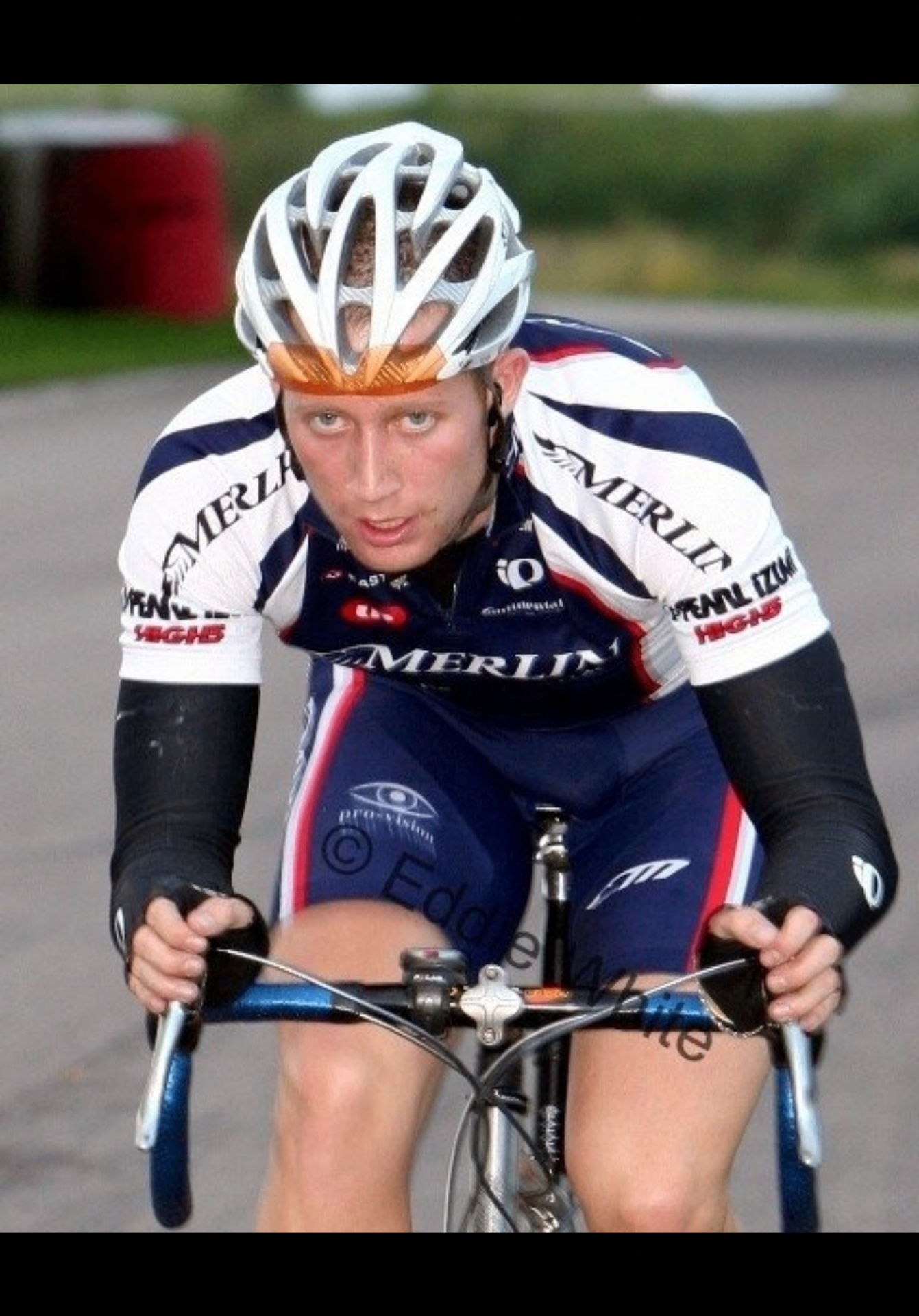
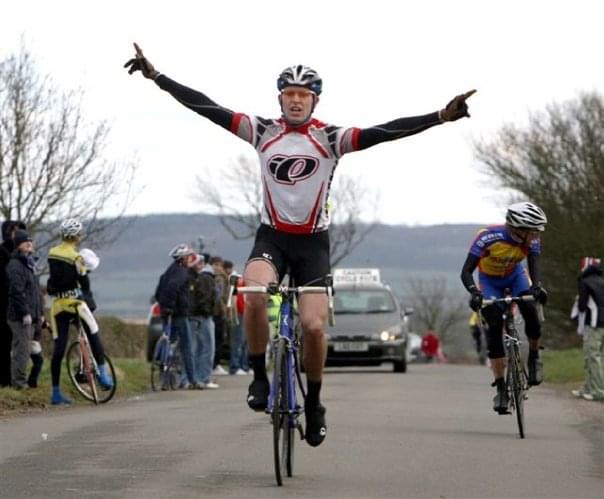
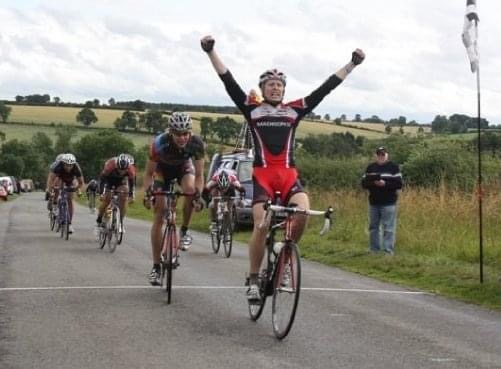
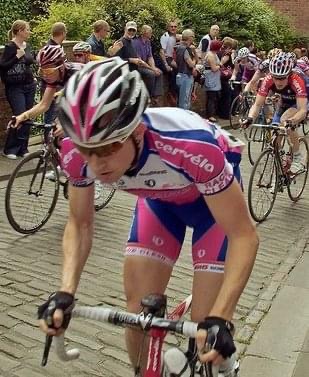
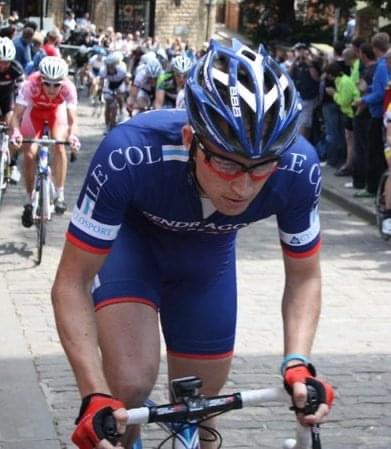
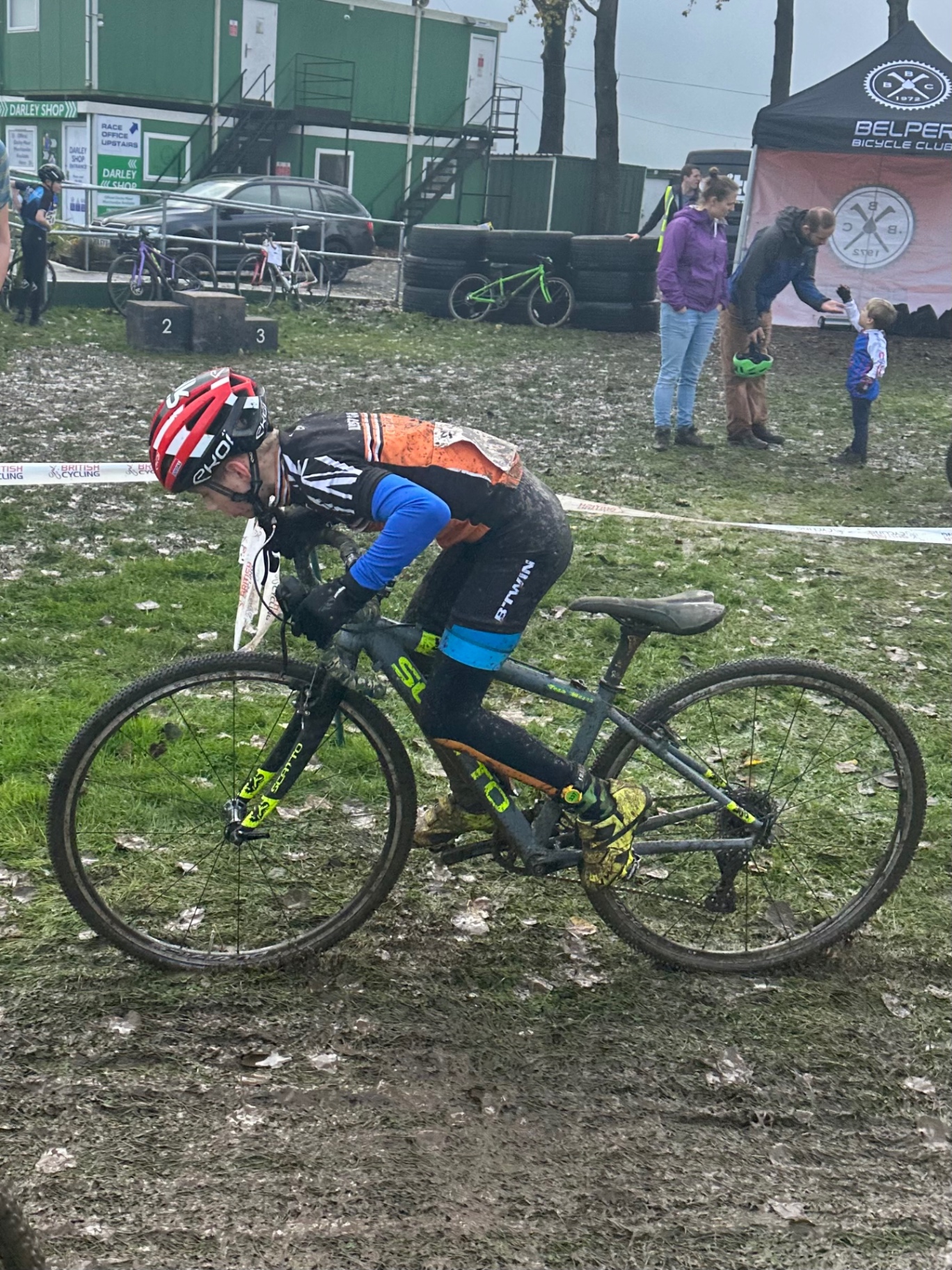
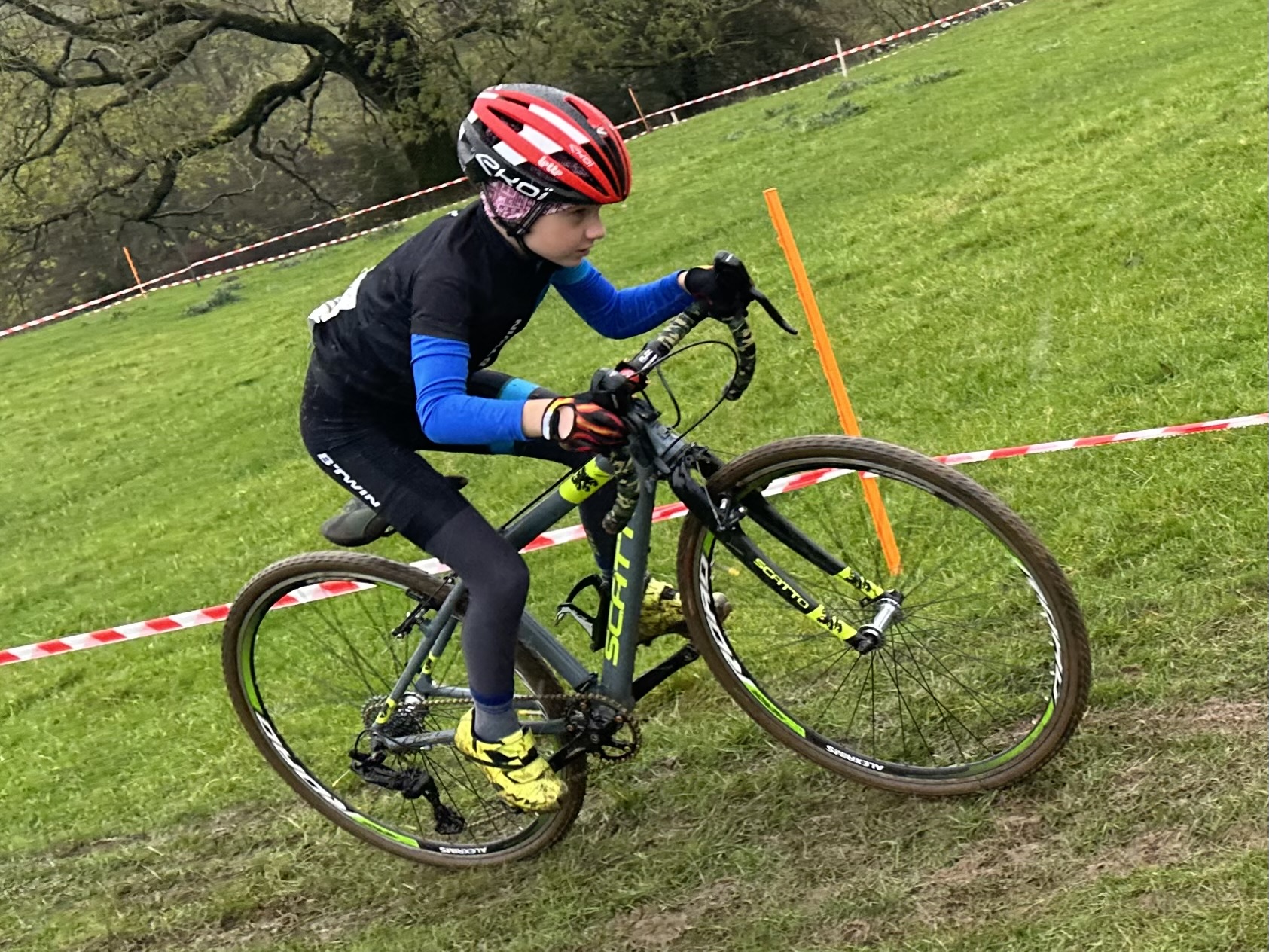
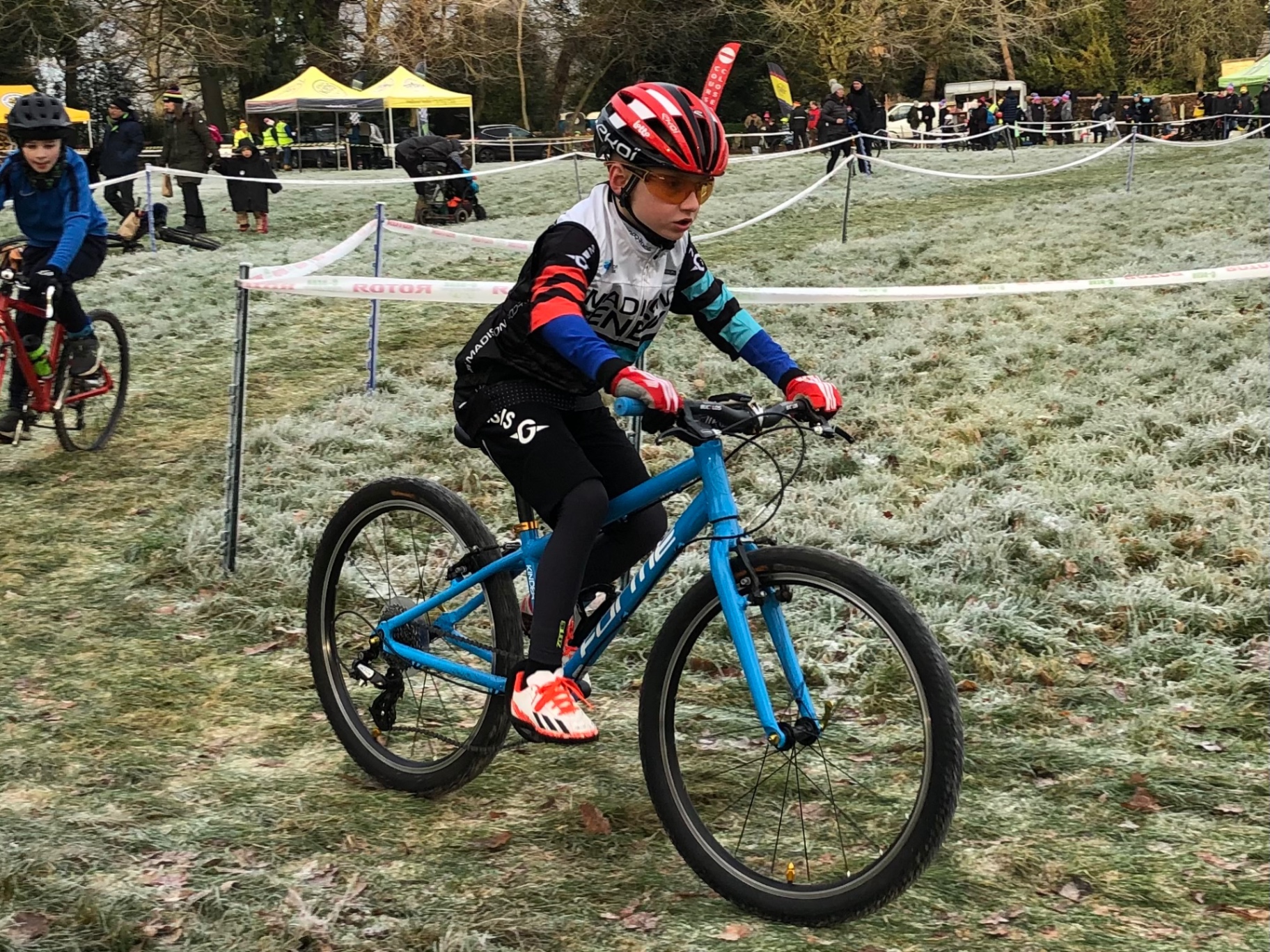
Before I became a coach, before I became a sports massage therapist, before I started helping people with their body, health and mindset, I was a kid who raced bikes because I loved it. Then I became a kid who won. Then I became a young man addicted to winning.
From the outside, it looked like success.
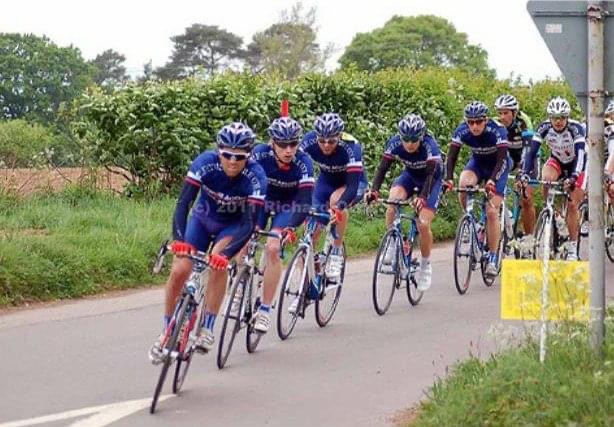
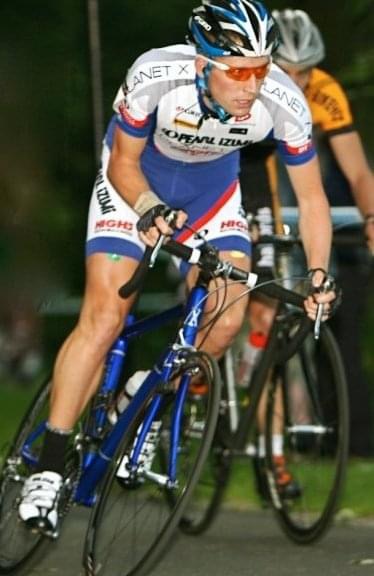
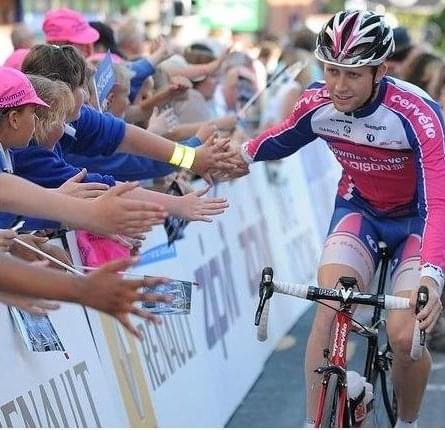
National titles. Professional cycling. Travelling the world. Sponsors. Teams. Pressure. Results.
But behind it all, I was learning a dangerous lesson — that my worth was attached to performance, body weight, body shape and results. I was praised when I won, judged when I didn't, and taught from a young age that lighter meant better, faster and more valuable.
That pressure followed me for years.
I battled body dysmorphia before I even properly understood what it was. I battled depression while still looking like someone who had everything going for him. I cried from pressure, hid it from people, and carried on because that is what athletes are trained to do.
The Mantra I Was Raised On
Keep going.
Don't complain.
Don't be weak.
Win.
Then Life Stripped Everything Back
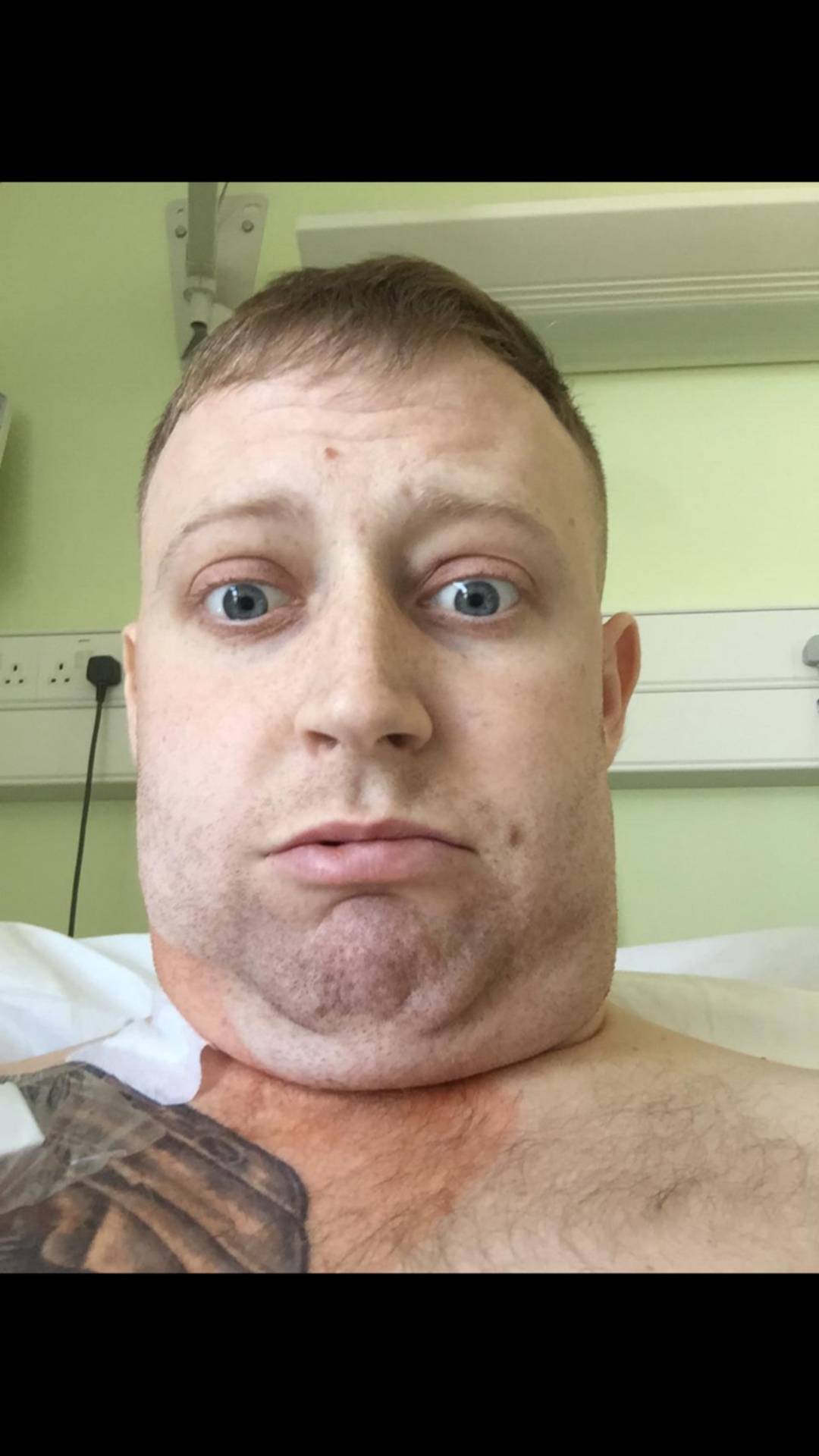
A rare autoimmune disease attacked my kidneys and they failed within months. I went from being an athlete to sitting in a hospital room, waiting for biopsy results, pretending I was fine in front of visitors, then crying alone when nobody could see.
I remember turning the shower on in the hospital bathroom so nobody would hear me break down.
I remember looking in the mirror and not recognising myself.
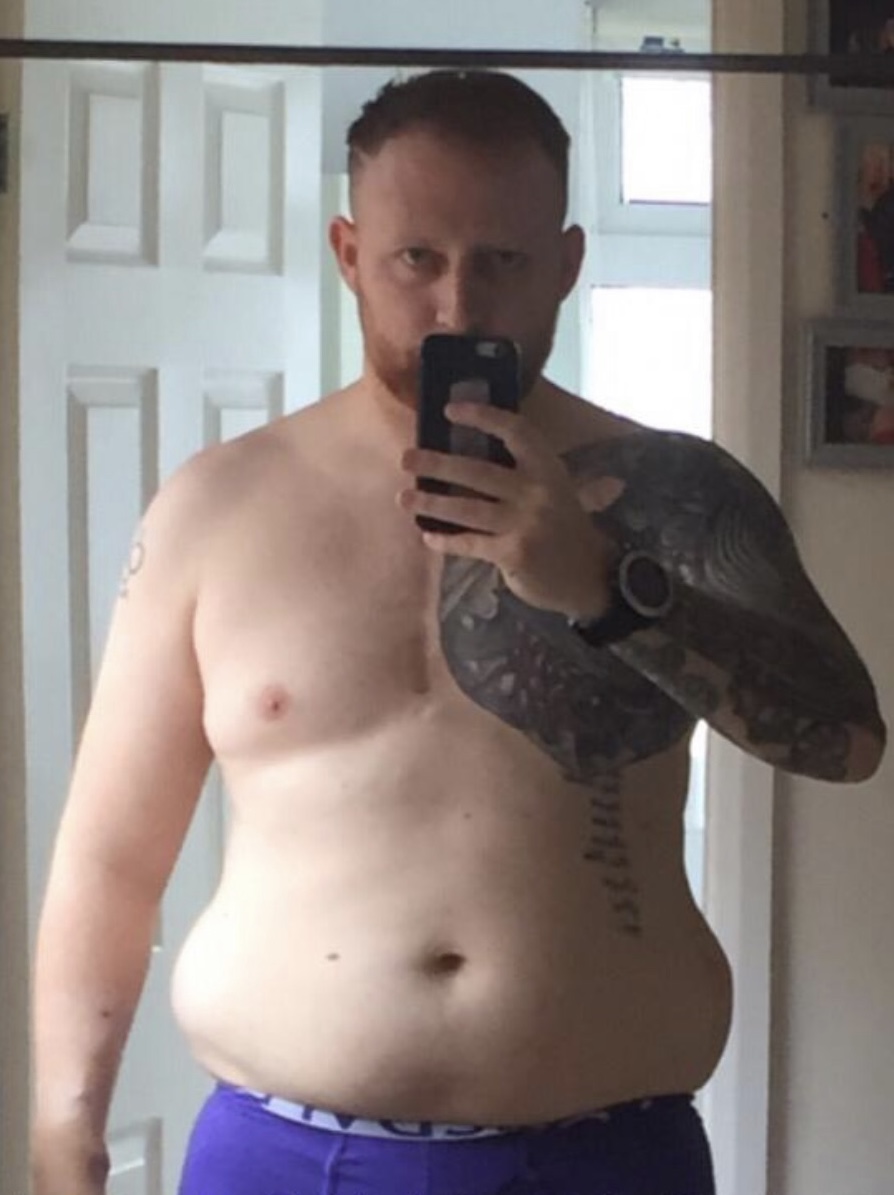
I remember going from an in-shape athlete to an inflated, seriously ill person, and feeling like my body had been taken away from me.
Then I was told there was no cure.
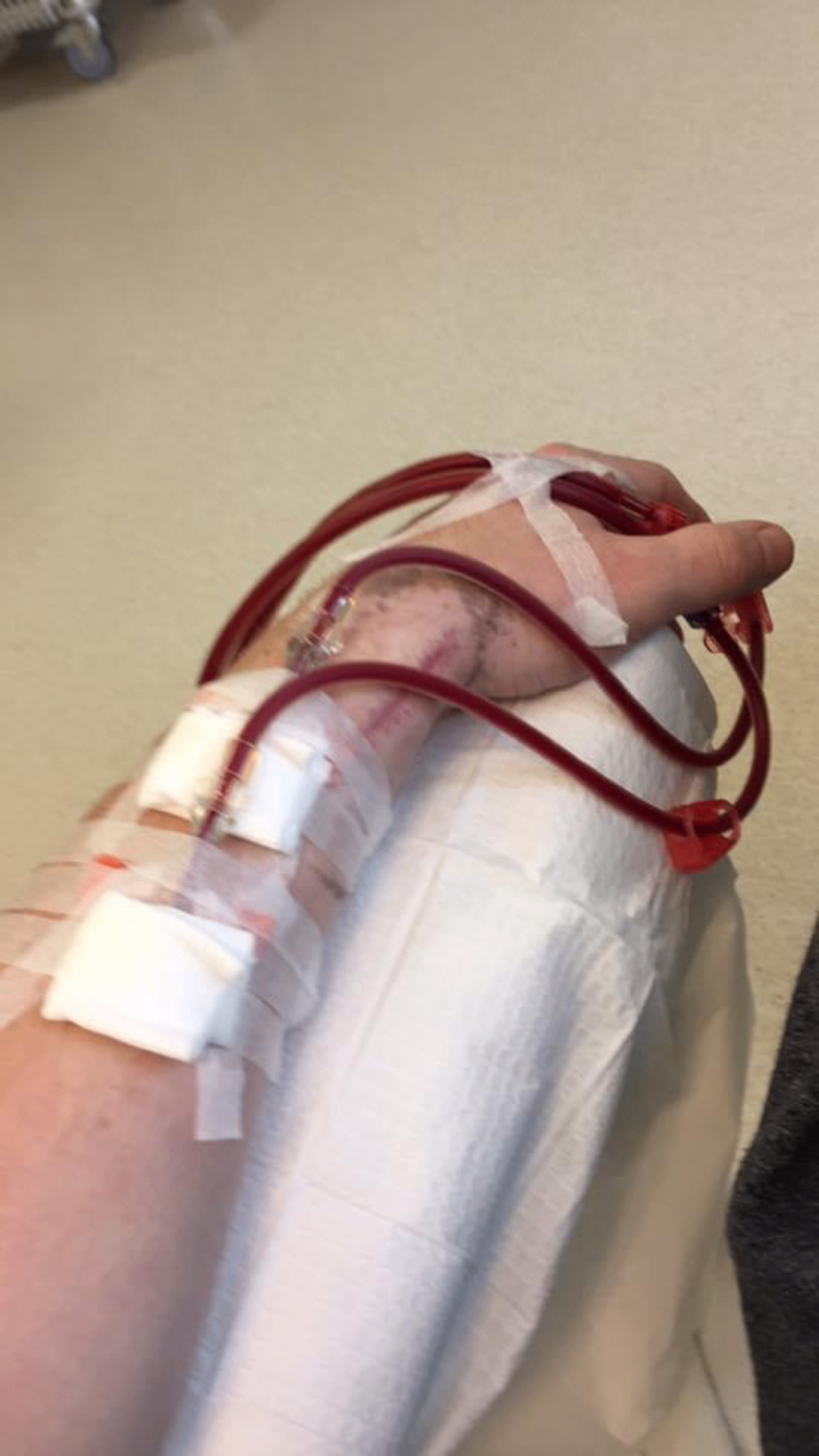
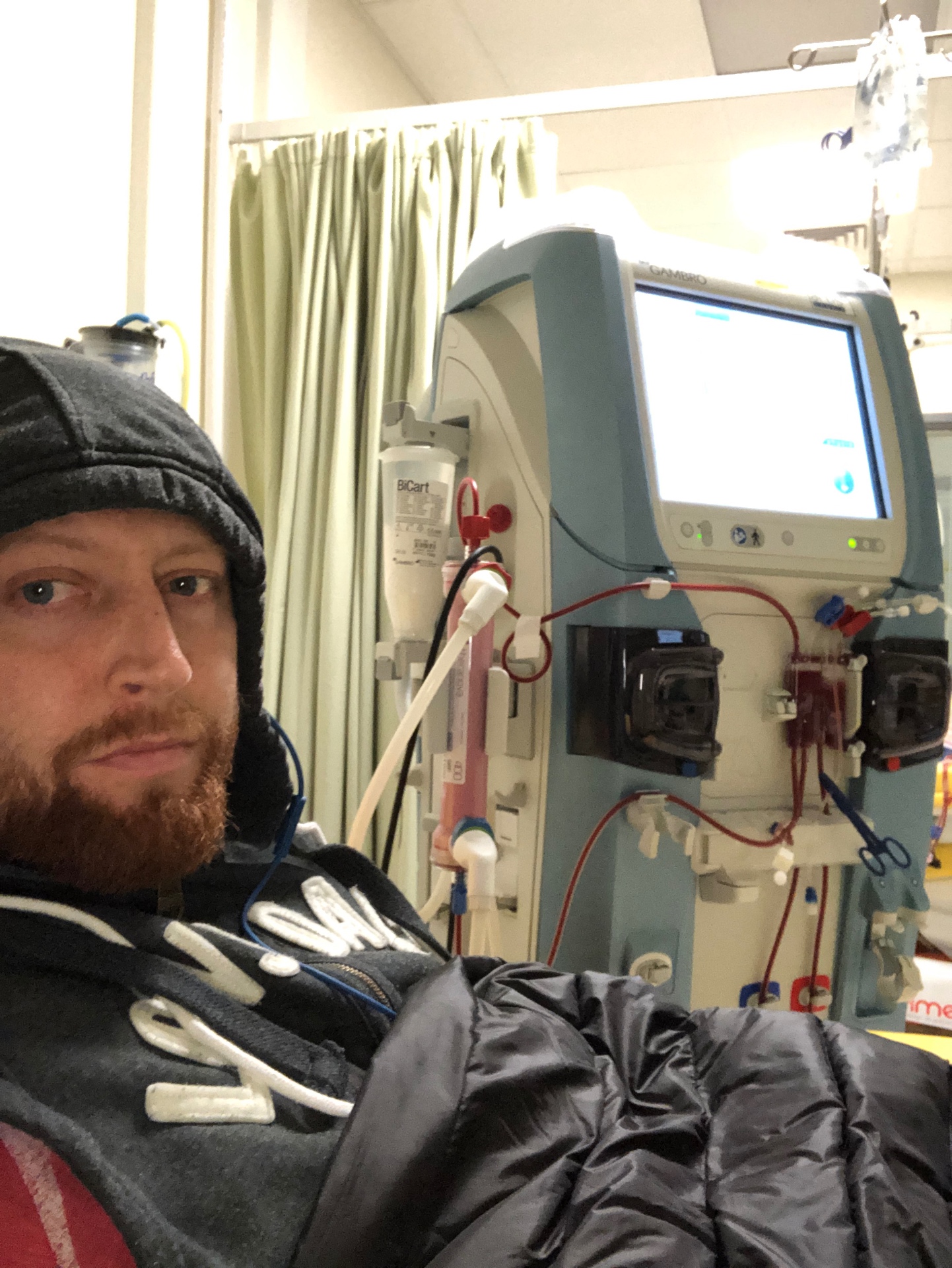
Dialysis became my routine. Monday, Wednesday, Friday. My social life became the hospital. My body changed. My confidence disappeared. My future became uncertain.
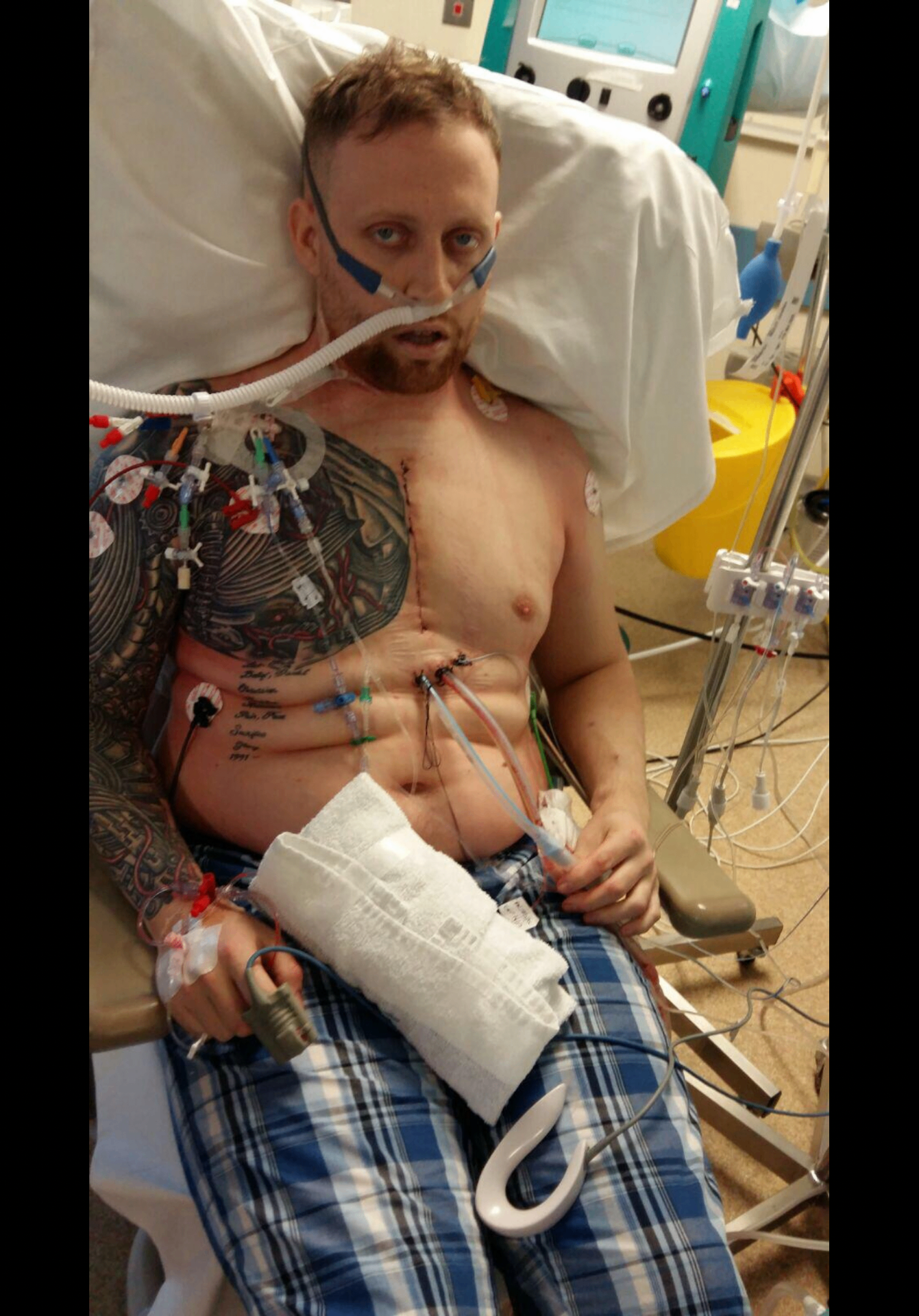
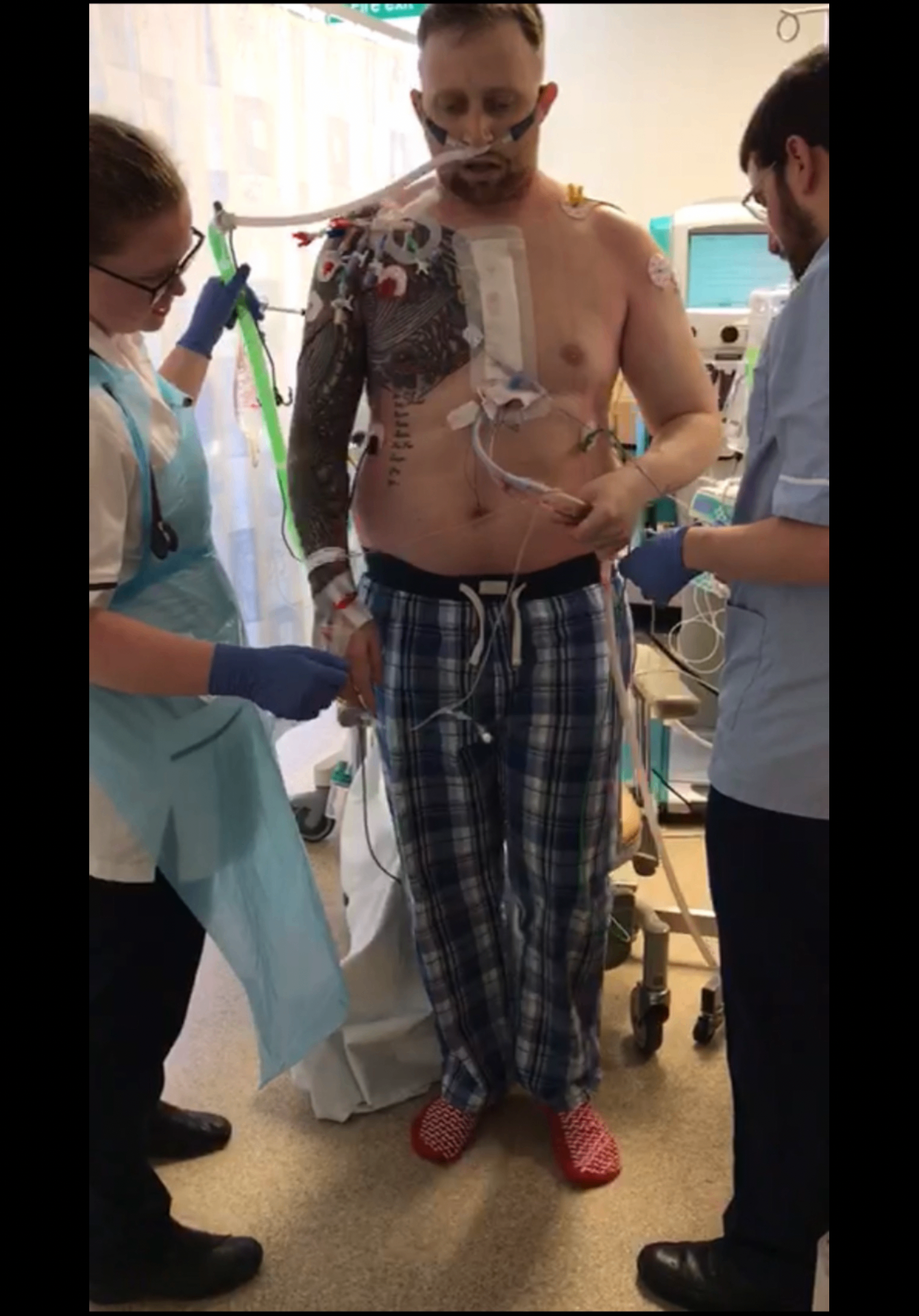
Then, while preparing for a kidney transplant, doctors found a serious heart defect I had unknowingly lived with since birth. I needed open-heart surgery. My son was only young. I was terrified, but I tried to be strong.
The Surgery Went Wrong
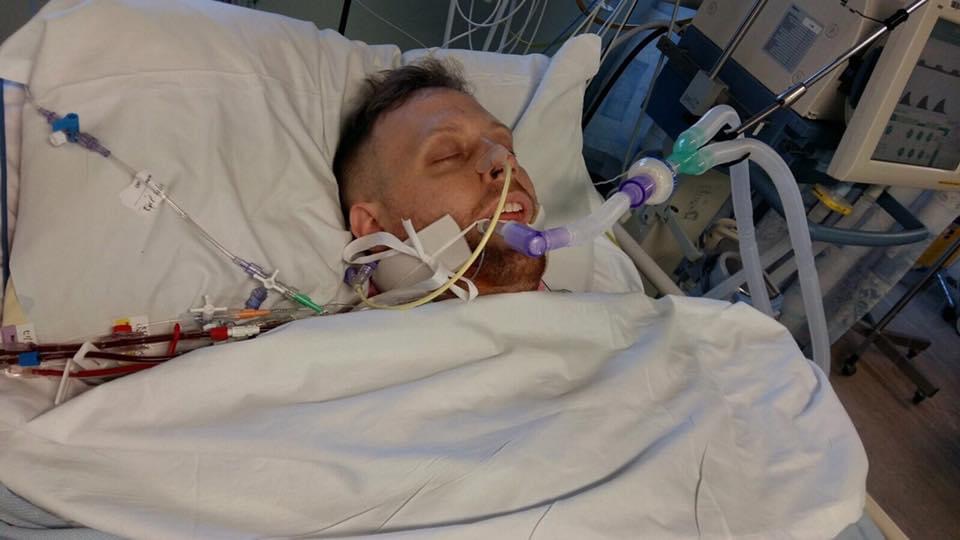
My heart struggled. My lungs collapsed. The engine I had built my whole identity around — my lungs, my endurance, my ability to suffer and perform — was taken away from me almost overnight.
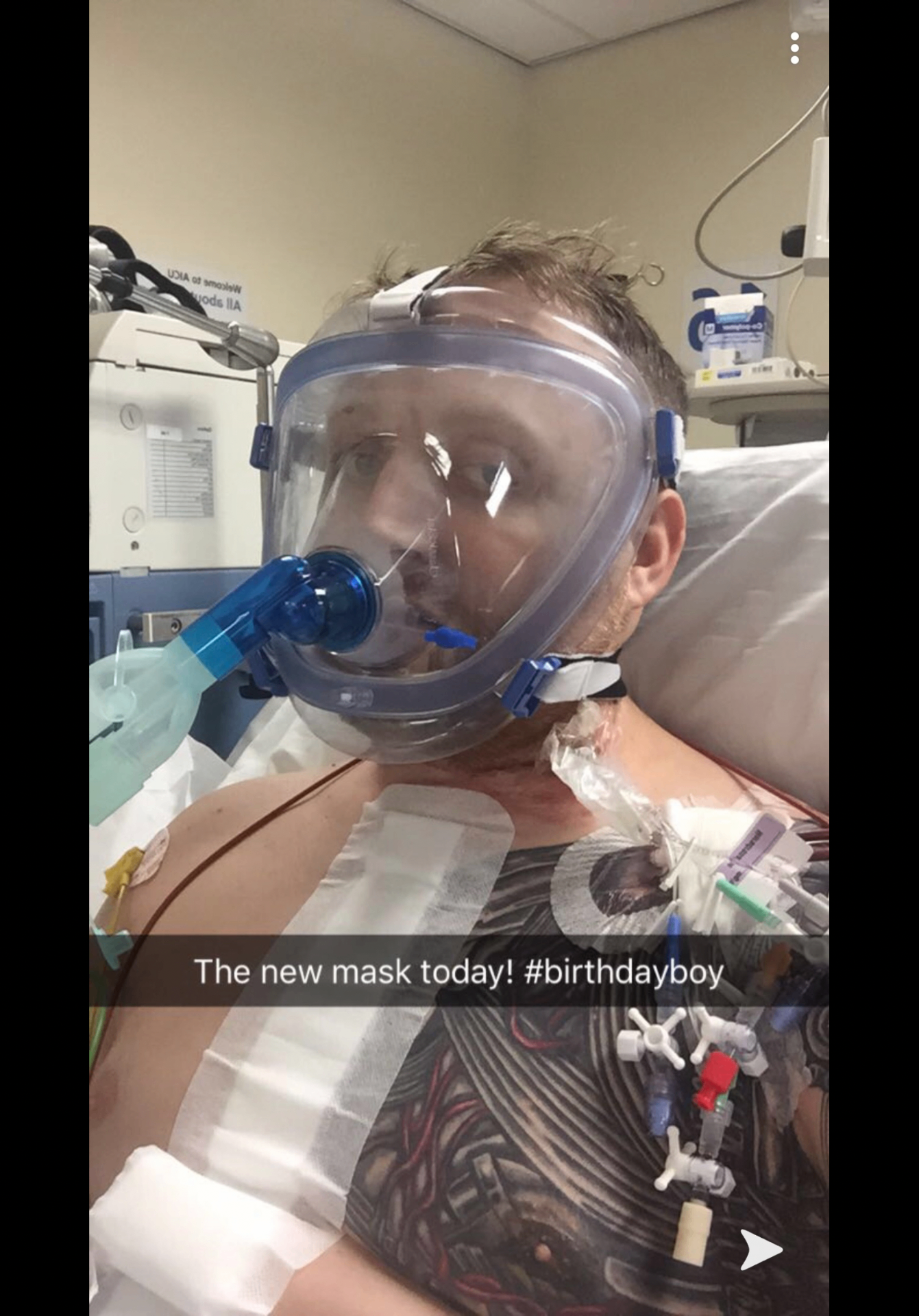
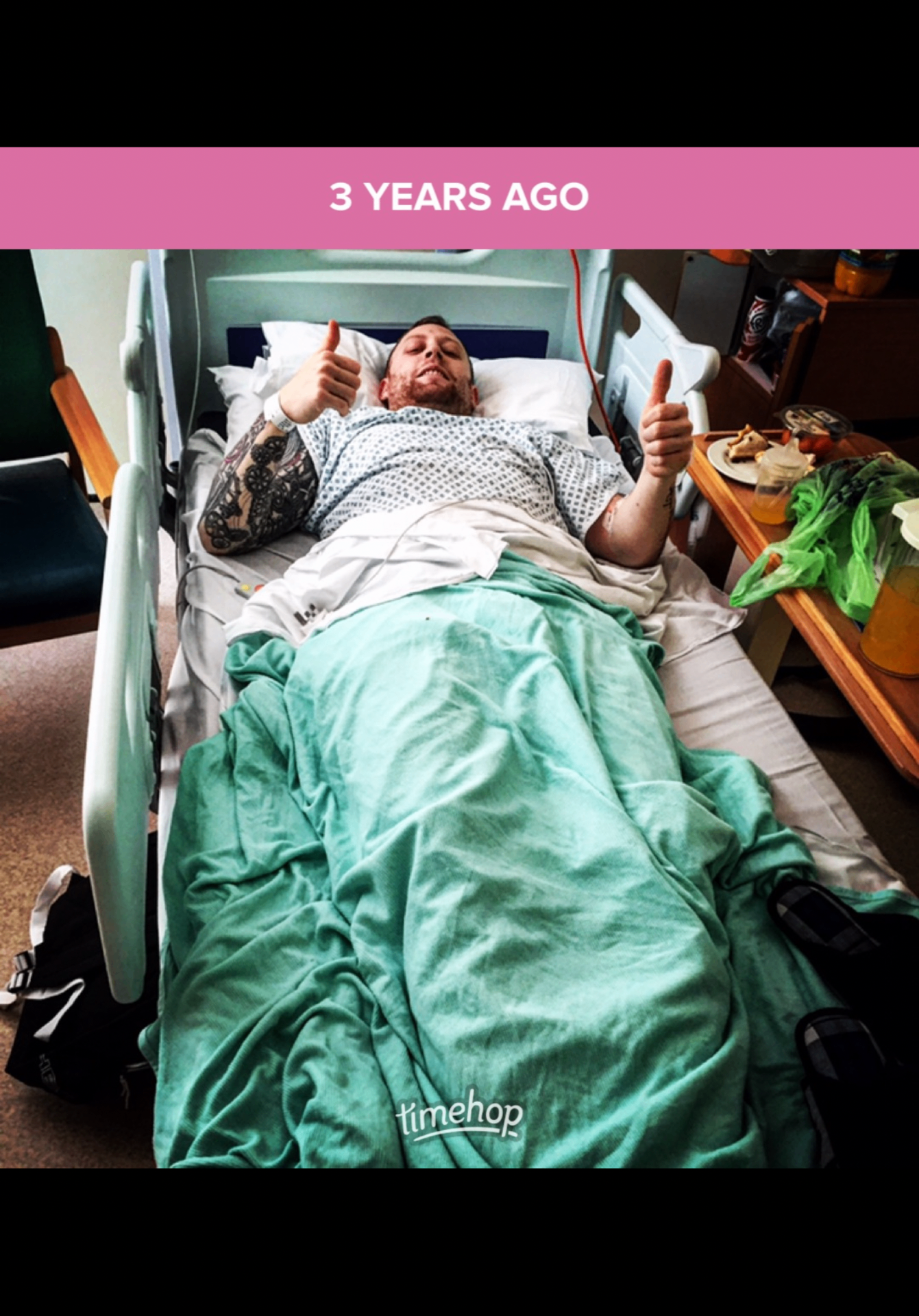
I remember waking up in intensive care not fully understanding what had happened. At that point, I did not know how close I had been to not making it. I prayed that if I survived, I would dedicate my life to helping others.
Then my mum walked into intensive care.
I saw her face.
And in that moment, I realised I was still alive.
But Surviving Is Not The Same As Living
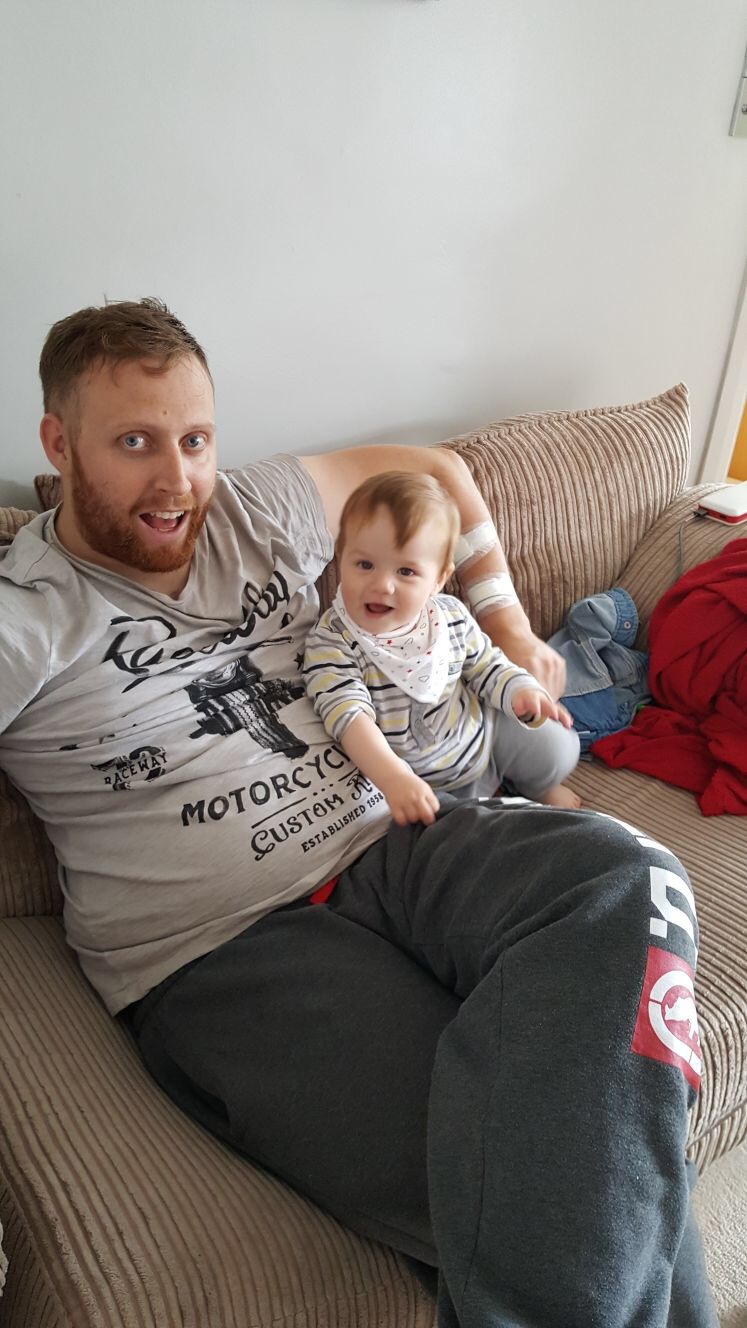
I came home a different person. I was 30 years old, a former professional athlete, a father, and I could barely breathe walking up the stairs. I gained weight. I reached around 130kg. I stopped recognising myself. I stopped showering properly. I lay on the sofa eating, not sleeping, not coping, not living.
The days were depression.
The nights were anxiety.
The mirror was torture.
The stairs felt like a mountain.
My own body felt like a prison.
The Darkest Chapter
There were times when I did not want to be here anymore.
I had thoughts so dark that I was scared of myself. I used to fantasise about ending my life. I had moments where I held a knife to my own veins and felt like I was seconds away from making a decision I could never take back.
I am not sharing that for sympathy.
I am sharing it because someone reading this might know exactly what that feels like. Someone might be smiling in public, training in the gym, going to work, parenting, pretending they are fine — while privately fighting thoughts they are terrified to admit.
For me, the thoughts that kept me alive were simple.
I cannot let my dad bury me.
I need to be here for Oli.
I need to keep going.
That was not motivation.
That was survival.
The Day Oli Saved Me
There was one day when the dark thoughts beat me. I had reached a point where I could not get out of bed because I knew if I did, I might not survive the day. My son Oli came into my room dressed for school and found me crying.
I pulled him into bed and held onto him.
I cried, told him I was sorry, and somehow that moment kept me alive long enough for help to find me.
That is the hardest part of my story to talk about.
It is also one of the reasons I do what I do now.
Because I know how quickly someone can go from "I'm struggling" to "I don't know if I can keep going." I know how heavy life can become when health, money, parenting, heartbreak, pressure, loneliness and fear all hit at once.
And I know how much it can matter when somebody feels safe enough to say the truth.
The Rebuild
My rebuild did not start with a perfect plan, a transformation photo, or some inspiring quote.
It started with making my bed.
It started with having a shower.
It started with trying to walk a little further.
It started with turning up, even when I hated myself, even when I was embarrassed, even when I felt like I had fallen so far from the person people remembered.
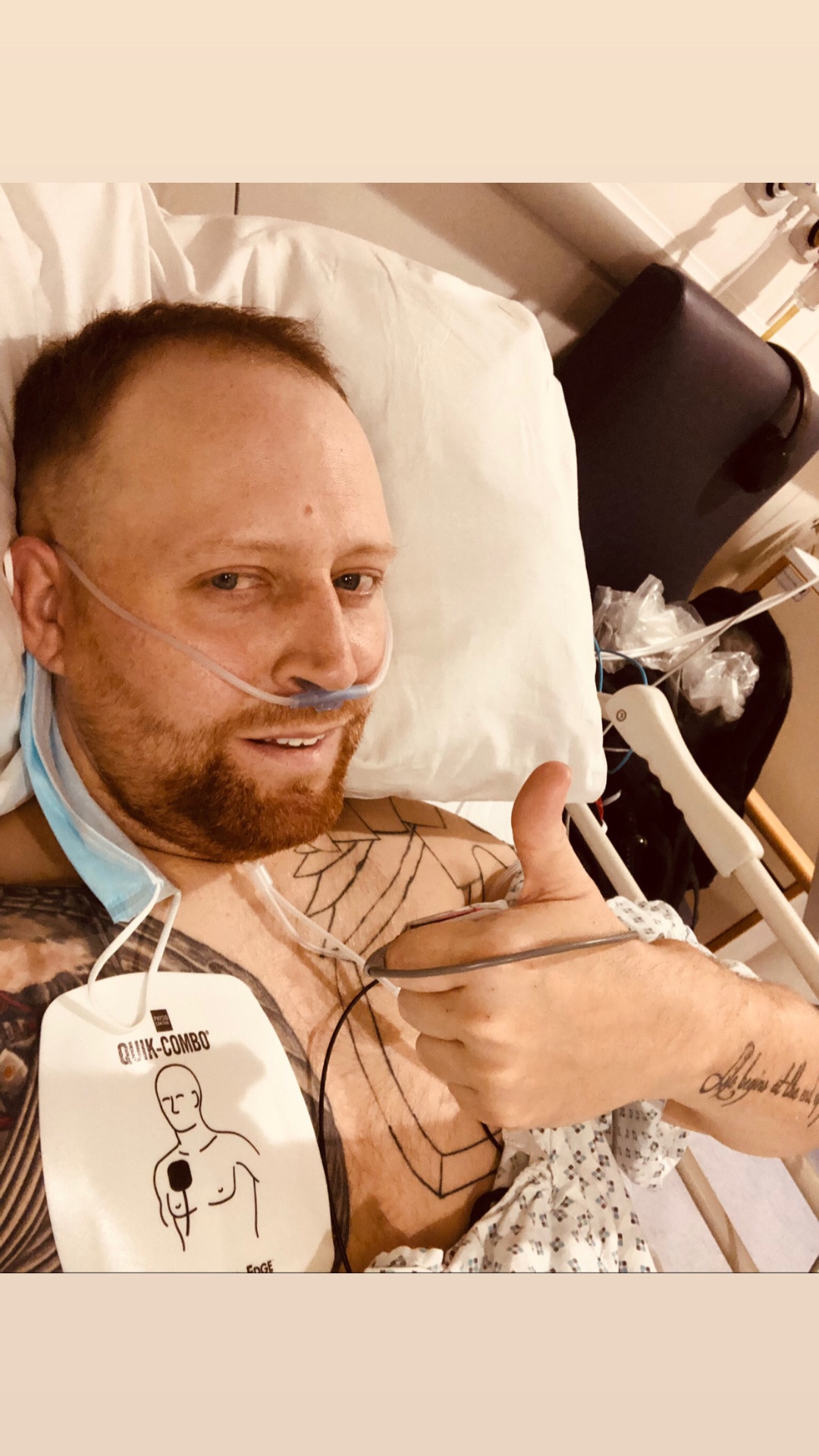
Eventually, after having a pacemaker fitted, I could breathe better. I started walking down riverbanks and canal paths. I lost weight. I slowly built confidence. I found my way back into the gym, even though it took me months to get through the door because I was so self-conscious.
That experience changed me.
I know what it feels like to be the athlete.
I know what it feels like to be the beginner.
I know what it feels like to be overweight, anxious, ashamed and scared to walk into a gym.
I know what it feels like to lose your health, your body, your confidence and your identity.
I know what it feels like to smile in front of people while falling apart inside.
Why JDM Exists
After my kidney transplant, I continued building a life around helping people. Through personal training, sports massage and mental health support, I quickly realised people were not only coming to me for training plans, physical results or treatment.
They were opening up about life.
Relationships. Divorce. Parenting. Body image. Loneliness. Pressure. Stress. Heartbreak. Confidence. Grief. Fear. Feeling lost. Feeling not good enough. Feeling like they had to carry everything alone.
The gym is often where people carry the things they do not know how to say out loud.
The weights do not lie.
The effort is honest.
The routine gives people something stable when life feels chaotic.
That is why JDM exists.
Not just to make people look better.
To help people live healthier, happier, stronger lives.
Because fitness is not just about abs, calories, personal bests or before-and-after photos.
For many people, the gym is therapy.
Movement is medicine.
Routine is stability.
Strength is confidence.
Massage is relief.
Conversation is survival.
Being listened to can be life-changing.
Where I Am Now
I still fight mental battles today.
The difference now is that I recognise them earlier. I process them better. I understand my warning signs. I know when I need structure, movement, sleep, conversation, support, routine, and honesty. I am not healed in some perfect, finished way. I am still human. I still have hard days. I still have thoughts I have to manage.
But I am better at not letting those thoughts control the whole story.
That is what I want other people to understand.
You do not have to be perfectly healed to move forward.
You do not have to have all the answers.
You do not have to pretend you are okay.
You just need to find the next step, the next honest conversation, the next small habit, the next reason to keep going.
The Mission
Through JDM, my mission is simple:
To help people prepare their body, perform at their best, and protect their mind.
That might mean helping someone move without pain through sports massage.
It might mean helping someone rebuild their health and confidence through coaching.
It might mean giving someone a safe space to talk when life feels heavy and they do not know where else to turn.
I am not here because I have lived a perfect life.
I am here because I have lived through pressure, illness, fear, depression, body image battles, heart surgery, kidney failure, dialysis, transplant, fatherhood, loss of identity and rebuilding from rock bottom.
I know what it feels like to break.
I also know what it feels like to start again.
And if sharing the darkest parts of my story helps even one person feel less alone, ask for help, walk into the gym, book the appointment, talk honestly, or choose to keep going for one more day — then it is worth opening up.
JDM is not just a business.
It is the promise I made in intensive care, when I prayed that if I survived, I would dedicate my life to helping others.
The Fitness Transformation
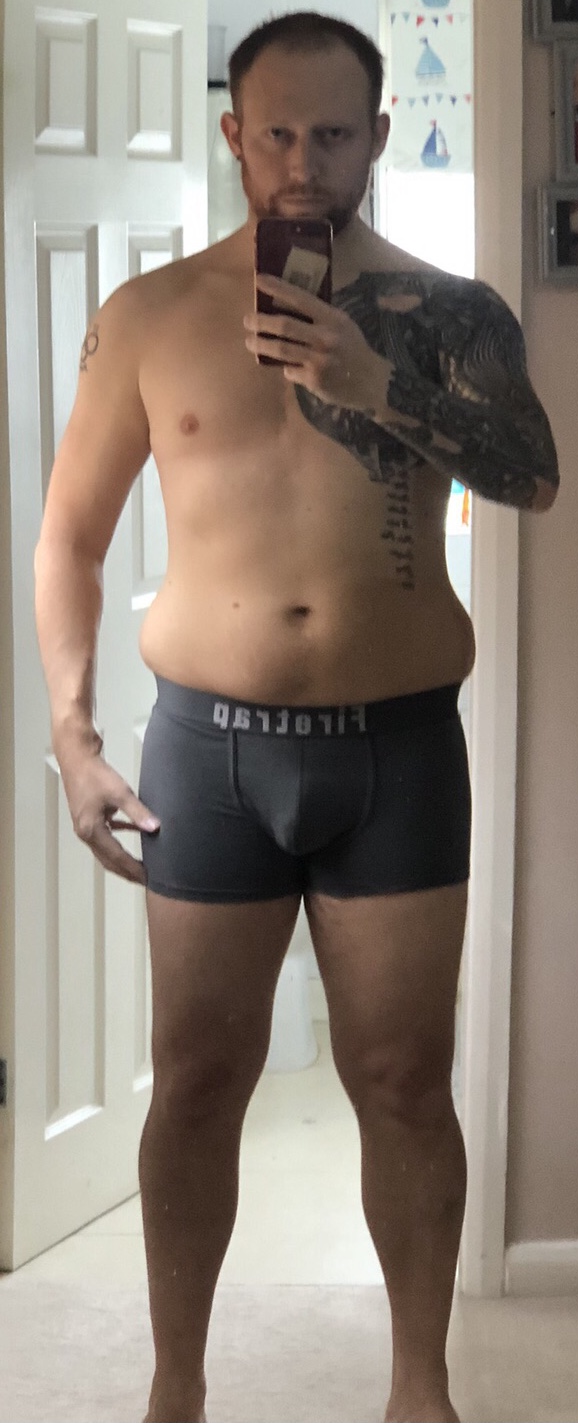
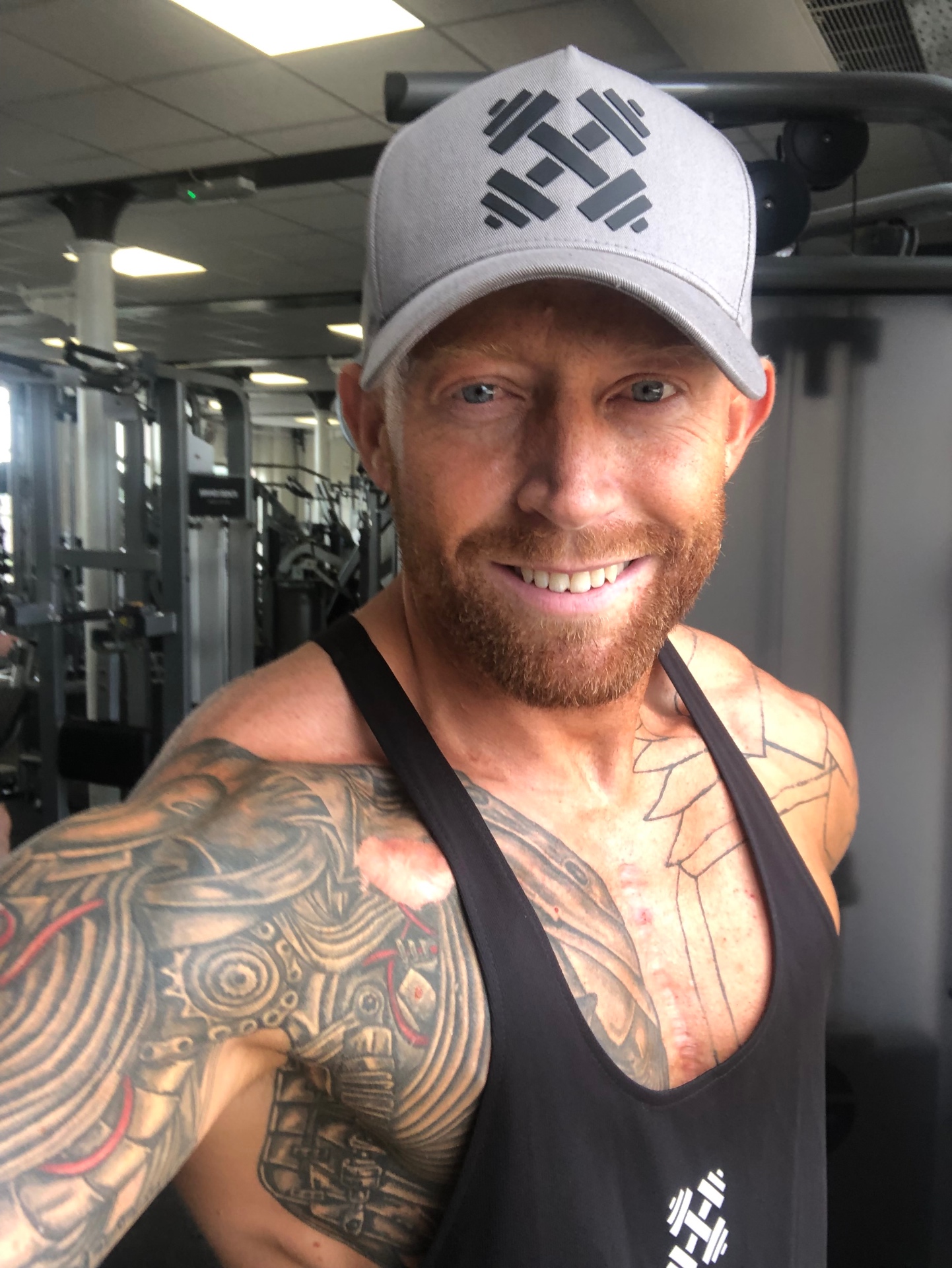
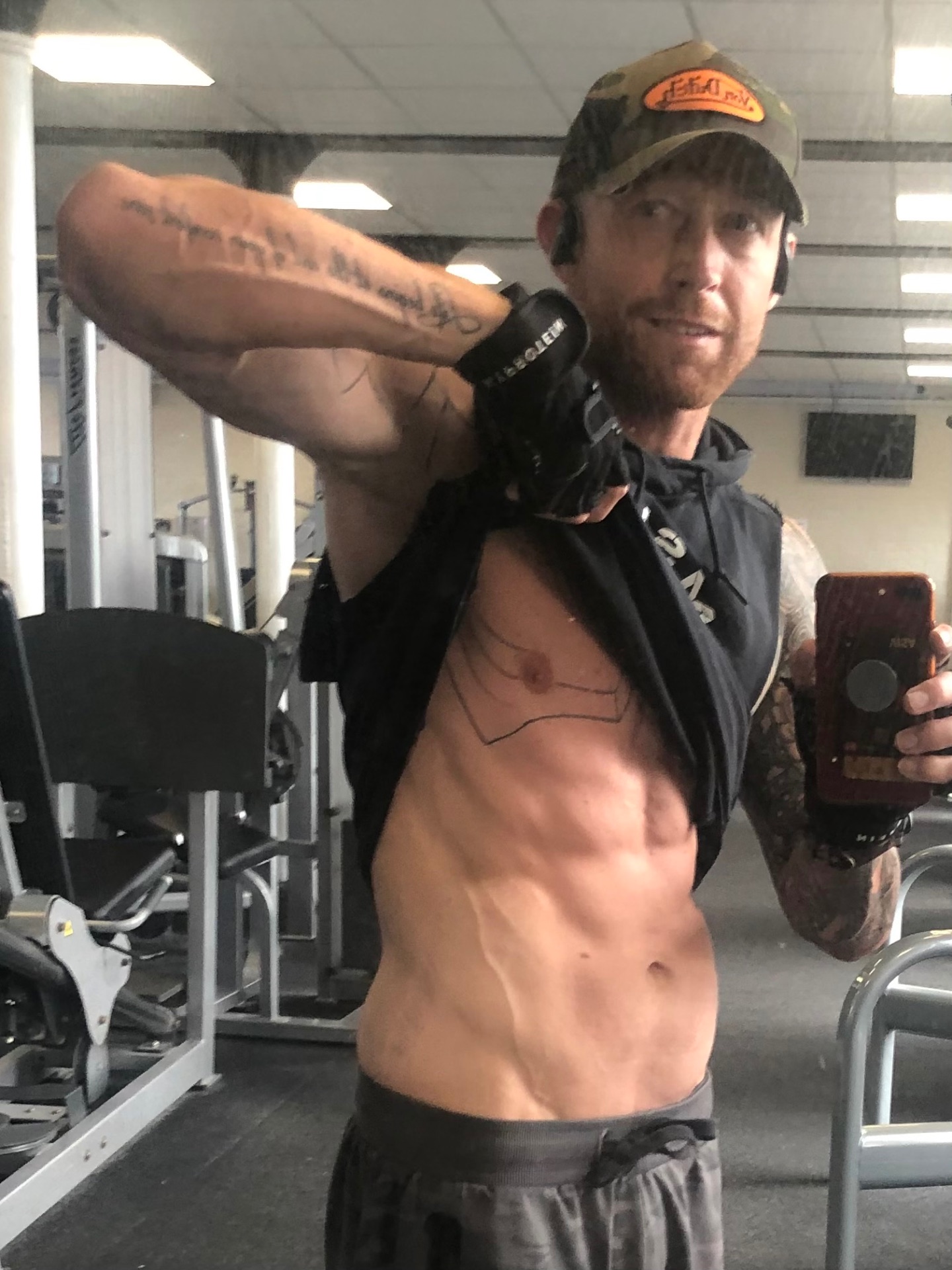
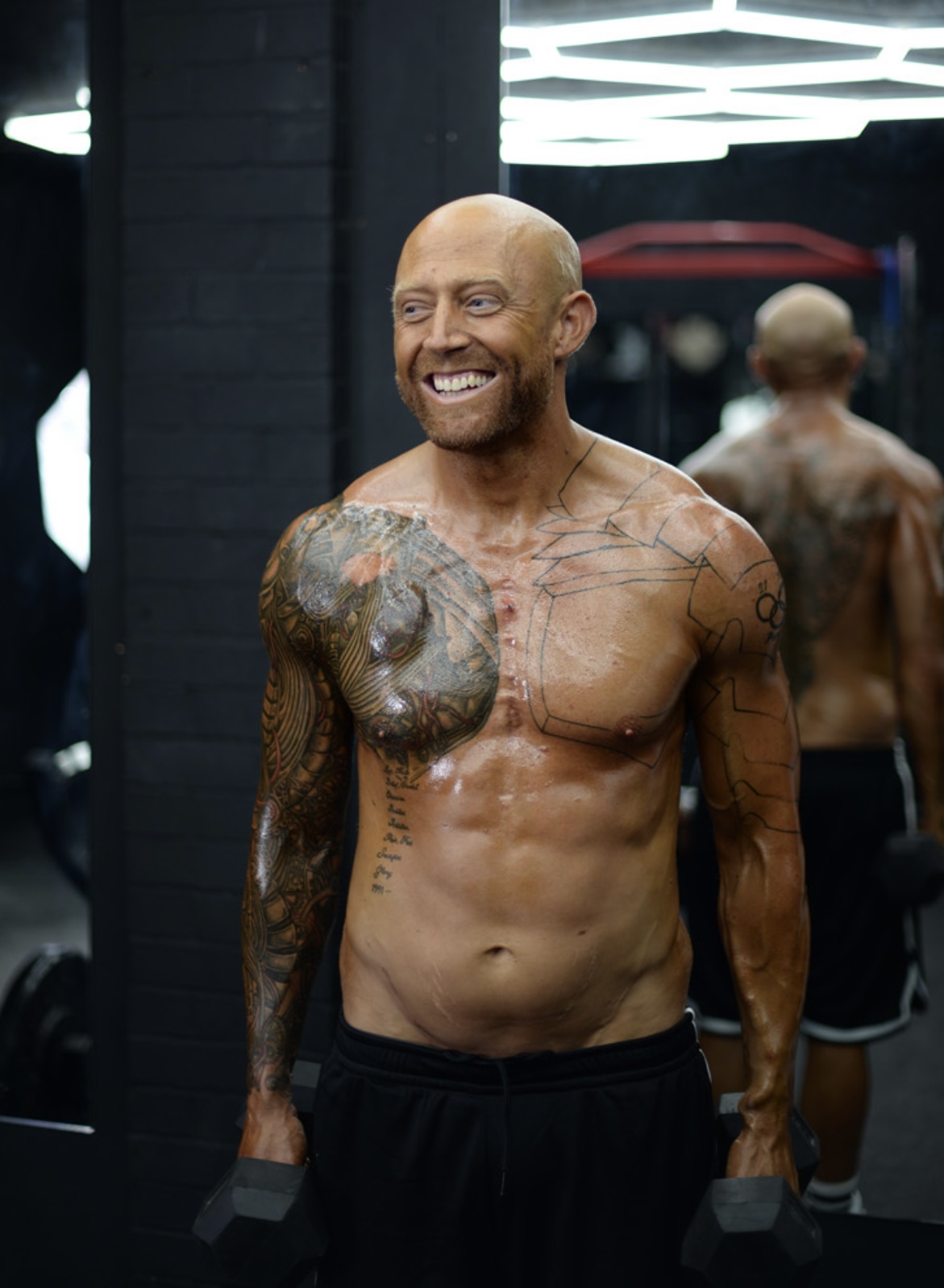
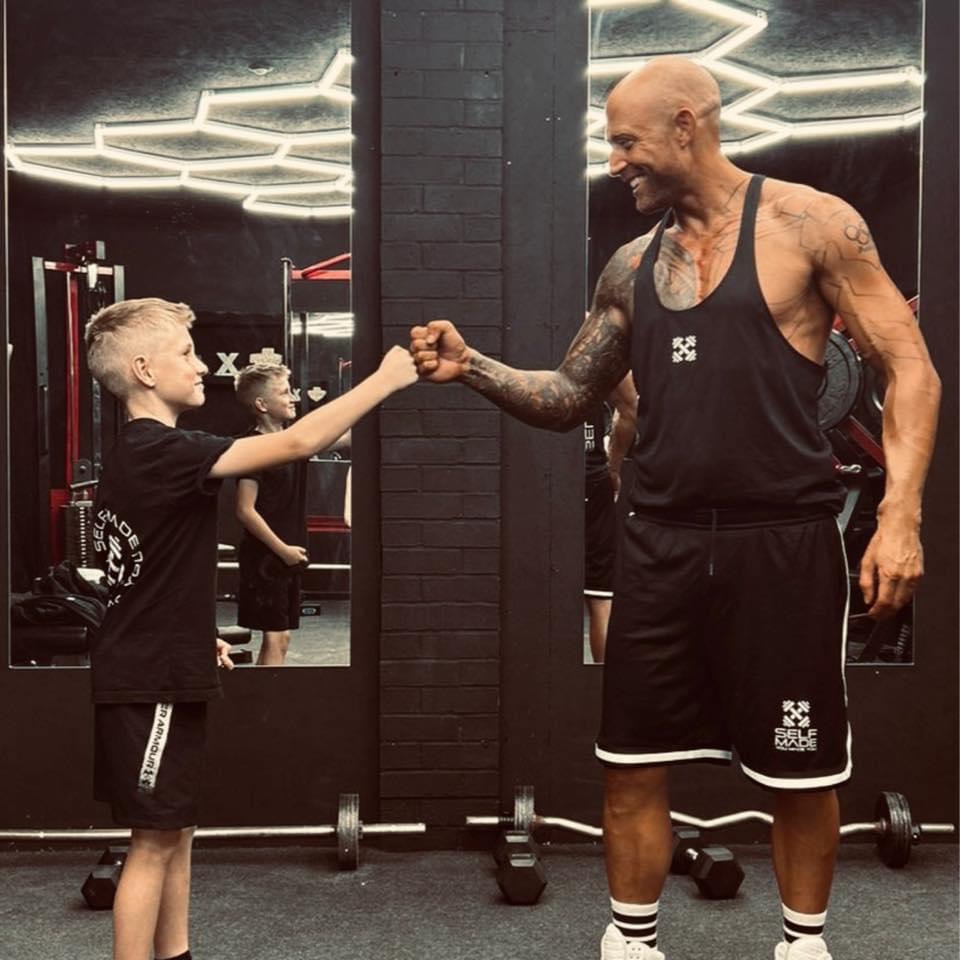
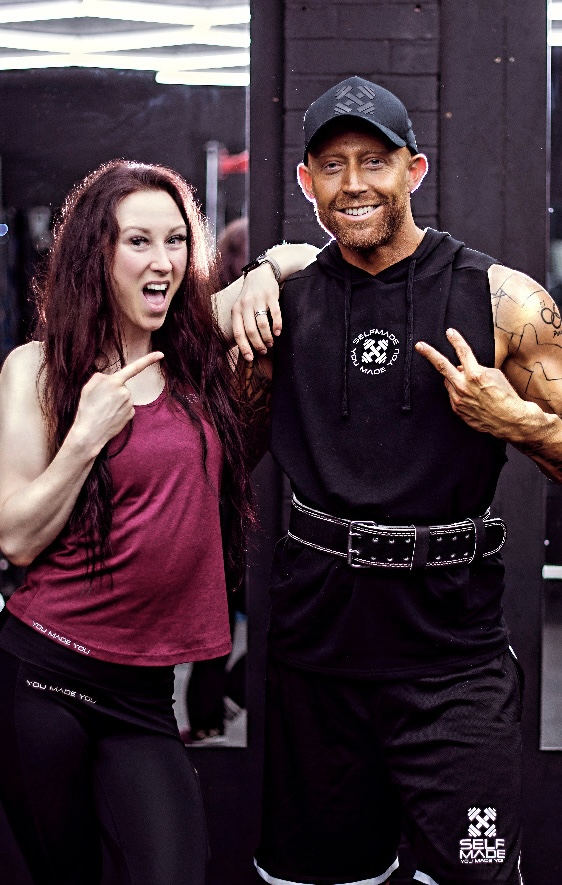
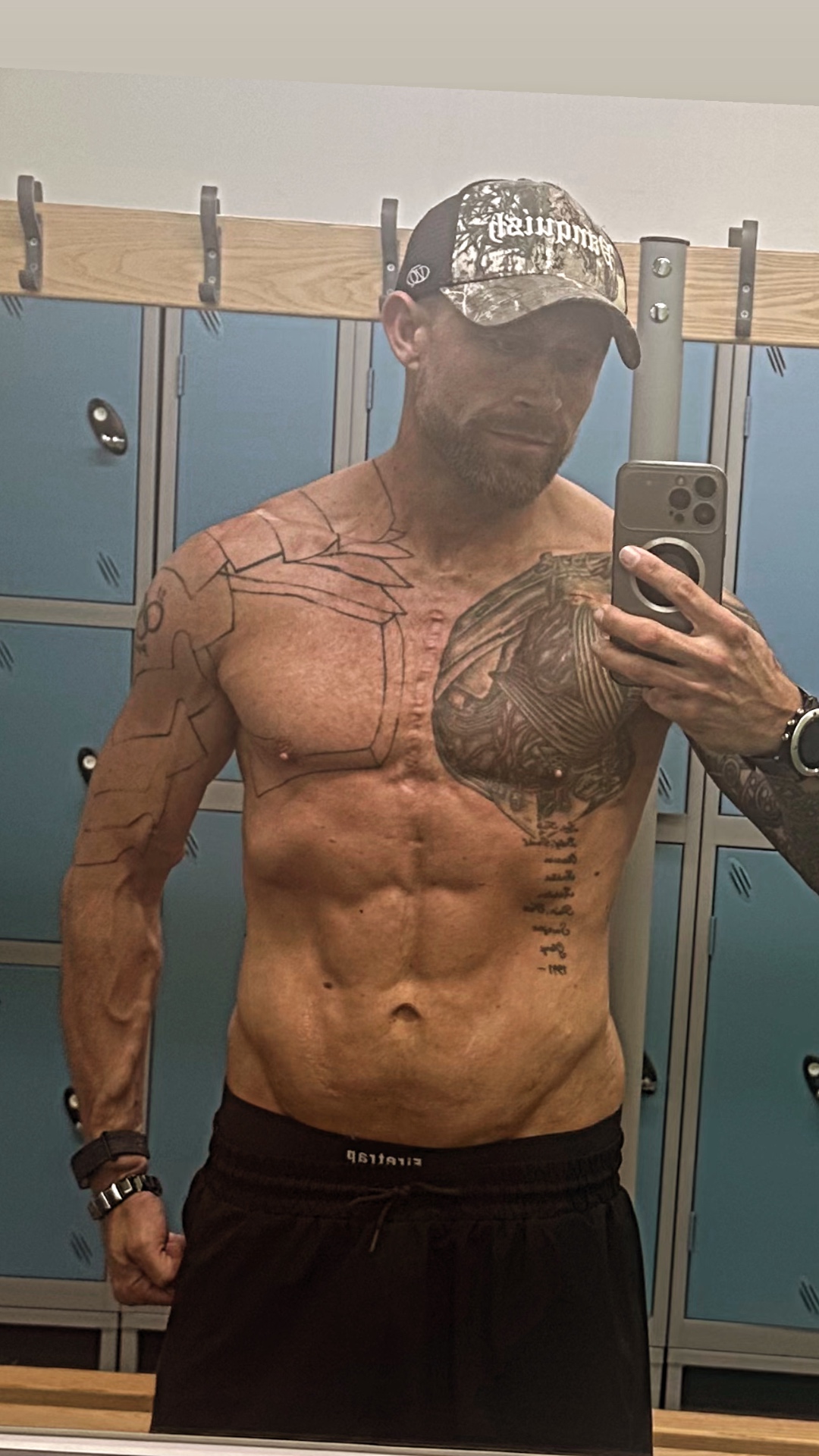
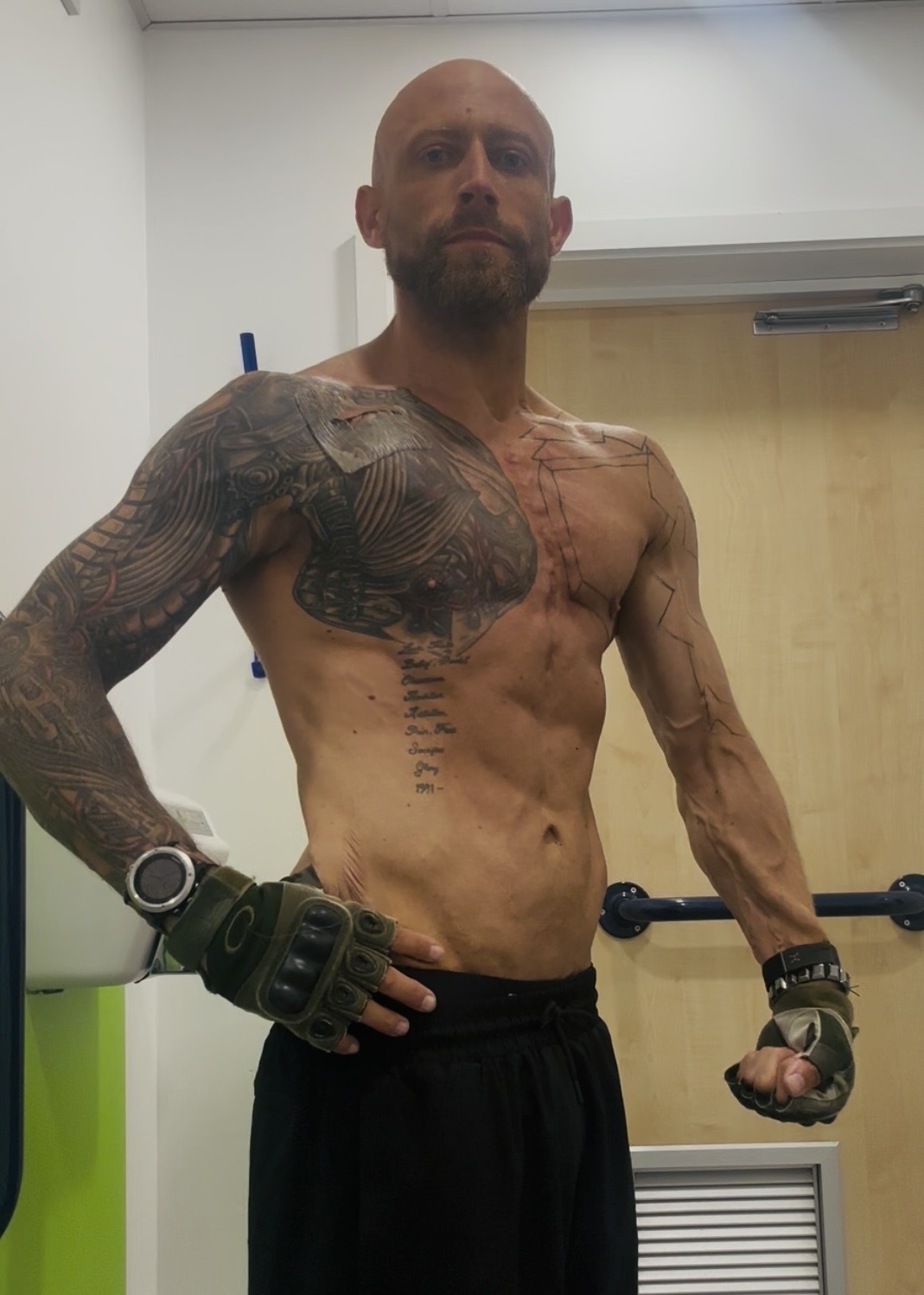
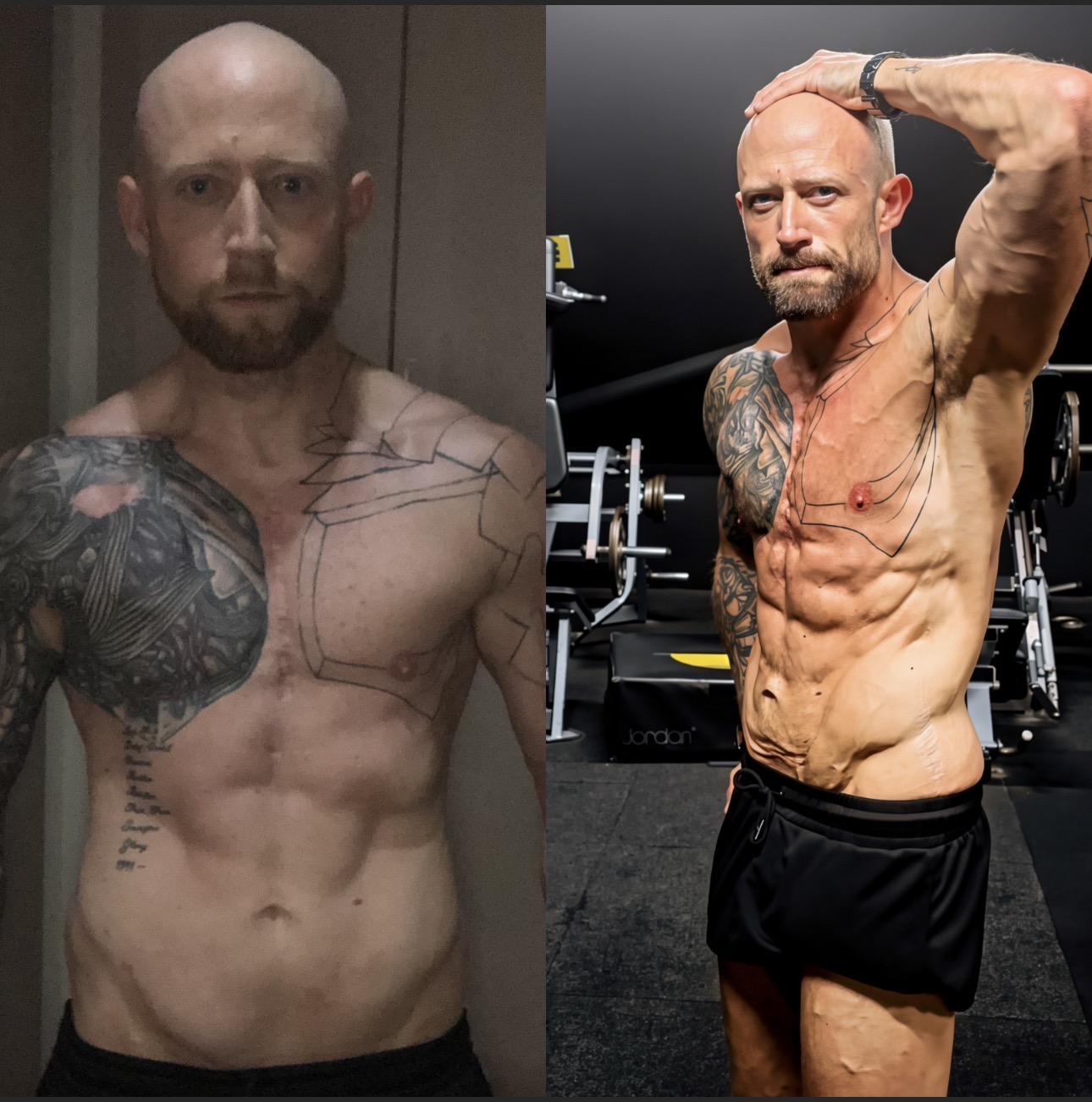
I Survived.
So this is what I am doing with that life.
Prepare your muscles.
Perform at your best.
Protect your mind.