Why I Understand
My passion for mental health does not come from textbooks, theories, or trying to sound like I understand. It comes from lived experience.
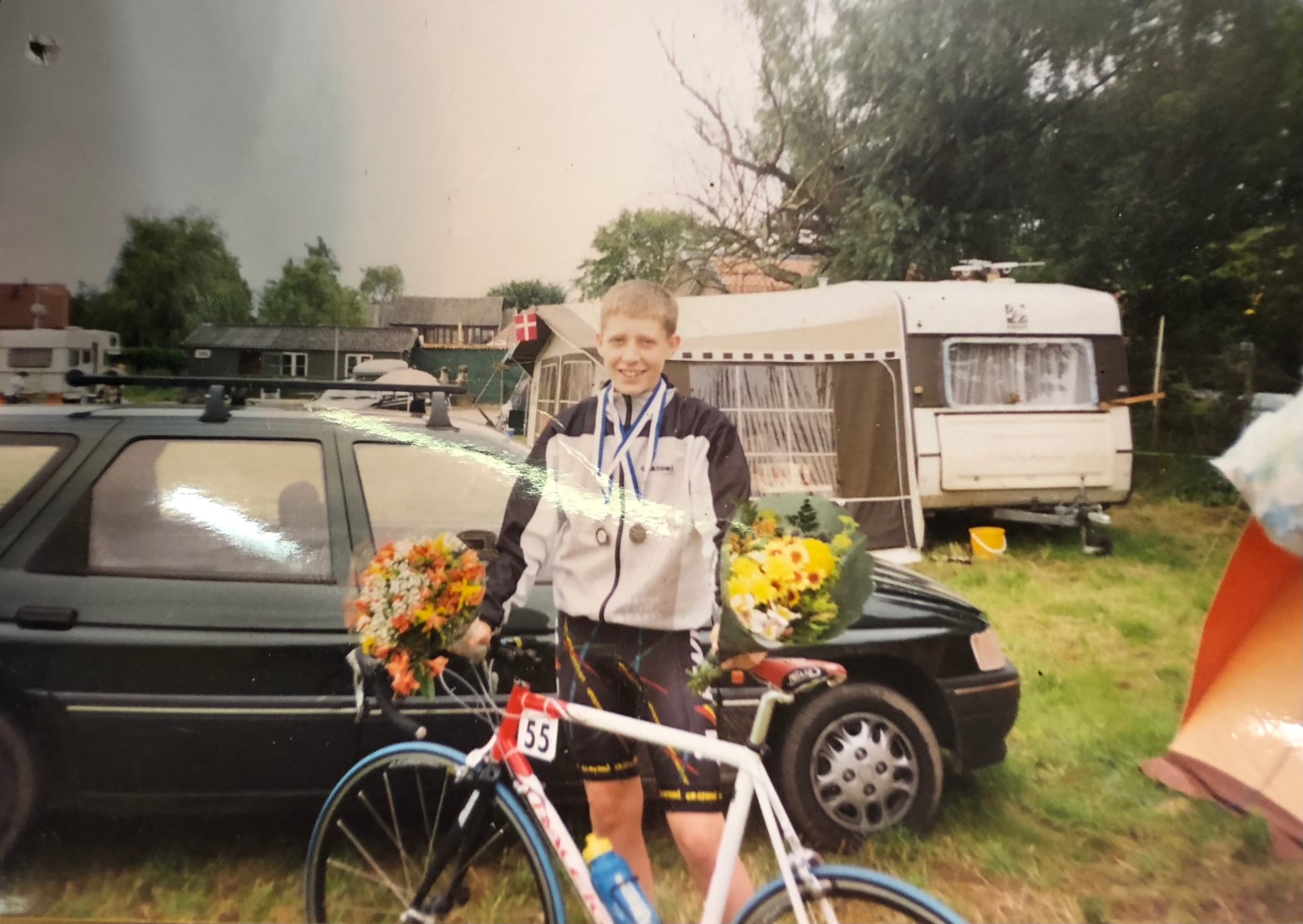
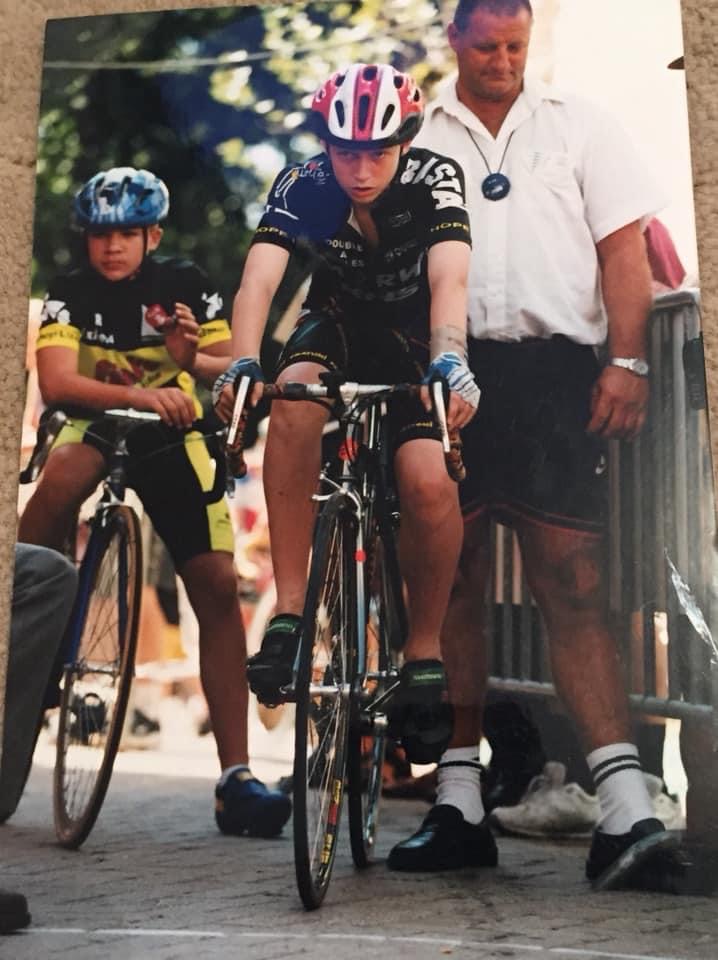
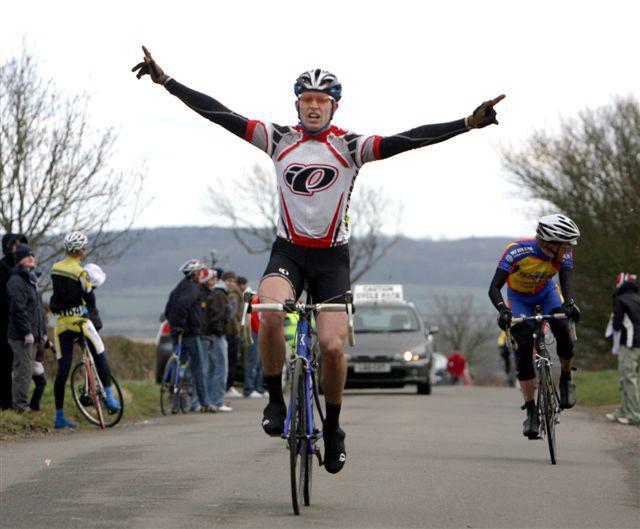
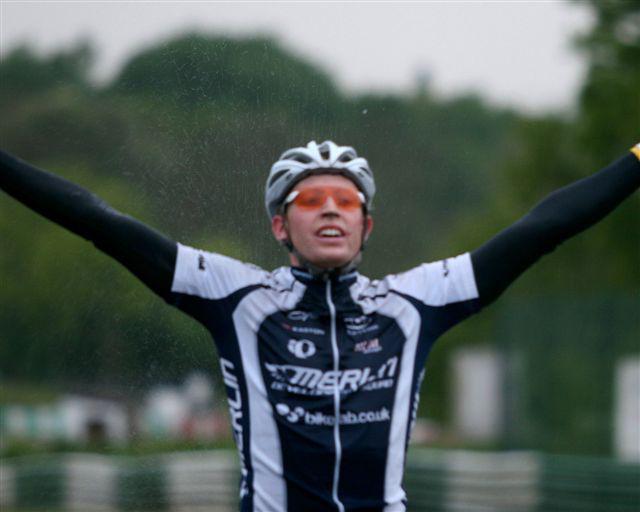
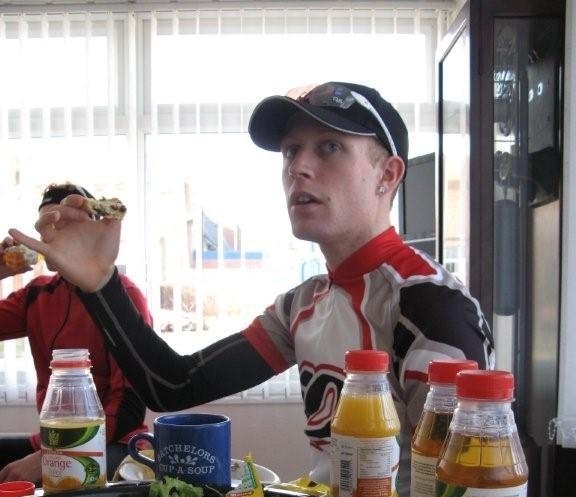
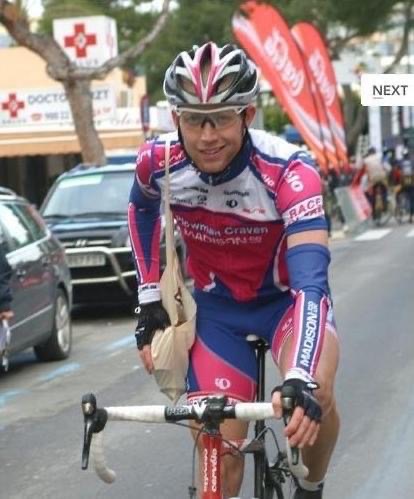
From a young age, my life was built around performance. I started racing my bike at four years old, won my first race at seven, and became a national champion before my teenage years. For many years, cycling gave me identity, purpose, confidence and success. But behind the wins, the medals and the professional environment, there was also pressure, anxiety, body image struggles and depression that I did not fully understand at the time.
As a young athlete, I learned very early that people judged your body, your weight, your results and your ability to keep performing. Winning became addictive, but it also became exhausting. When something you once loved becomes something you feel you have to do, it can slowly take a toll on your mind. I experienced that pressure first-hand.
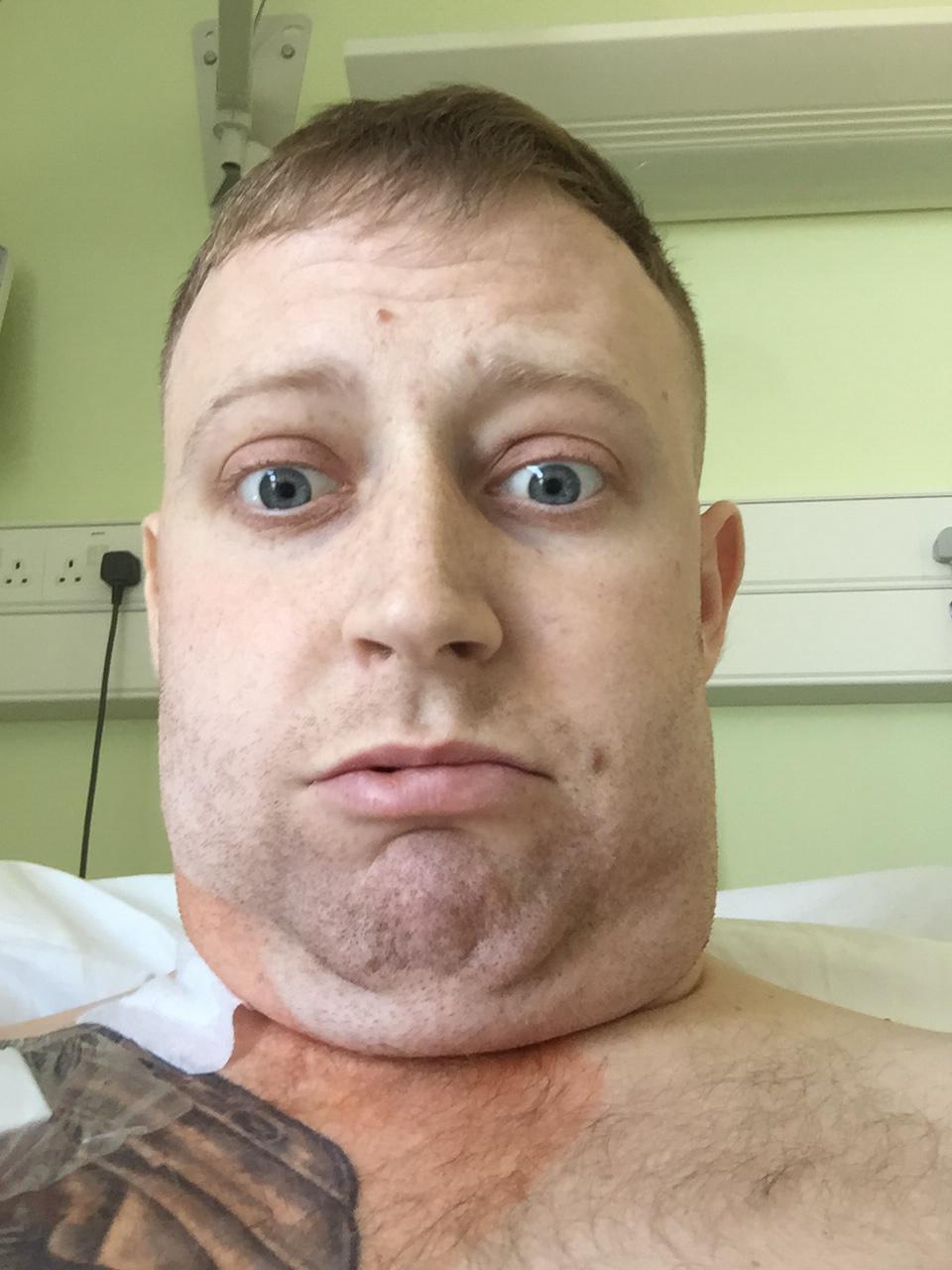
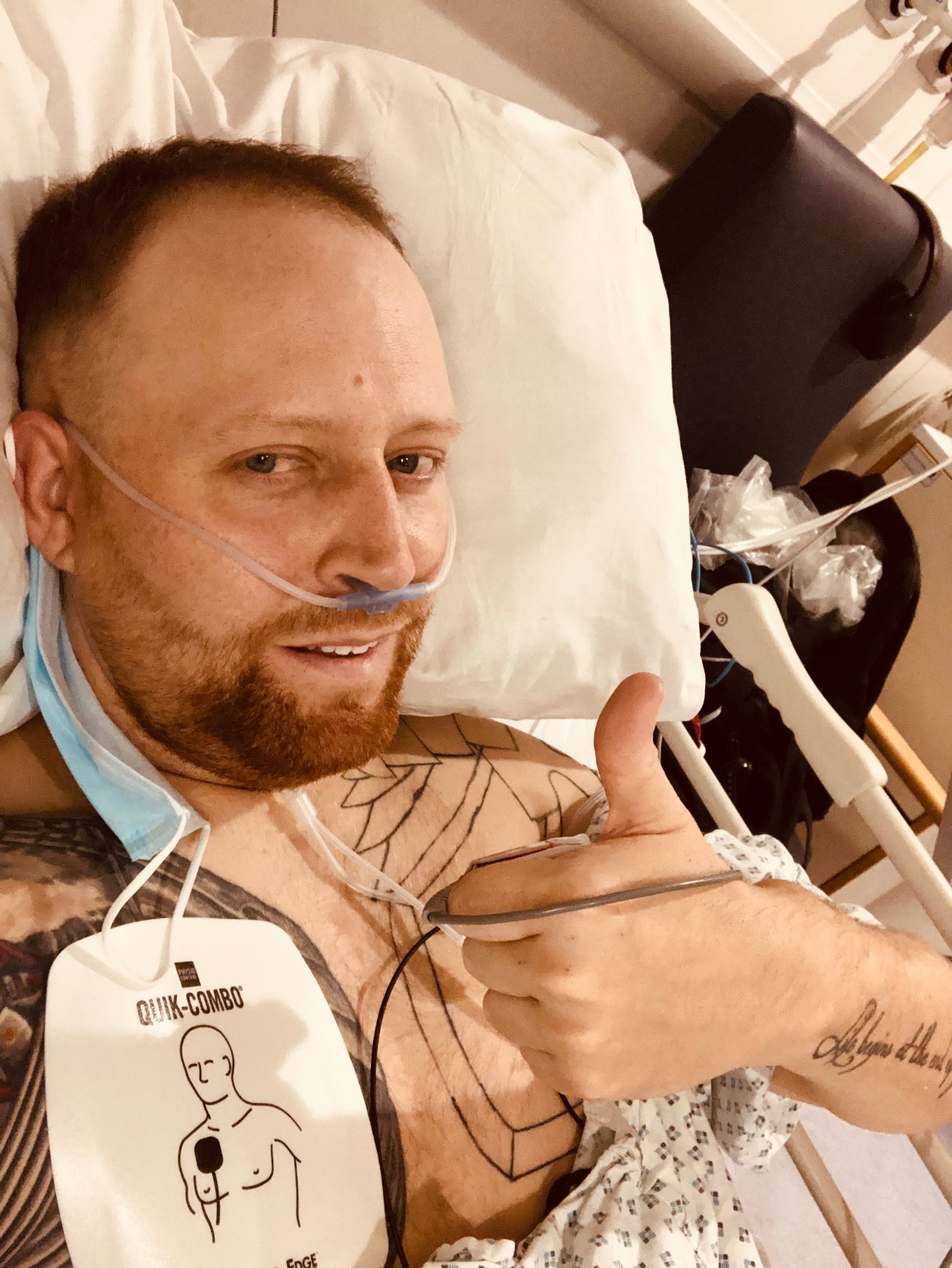
Later in life, after retiring from cycling and beginning to find happiness again, my life changed completely. I was diagnosed with a rare autoimmune kidney disease that caused my kidneys to fail. Within a short space of time, I went from being an athlete to being seriously ill, spending long periods in hospital and starting dialysis three times a week.
That experience stripped away a huge part of my identity. I had to deal with fear, uncertainty, weight gain, physical weakness, loneliness, and the emotional pain of watching my body change in ways I could not control. I often felt like I had to be strong for everyone else, while privately breaking down when nobody could see.
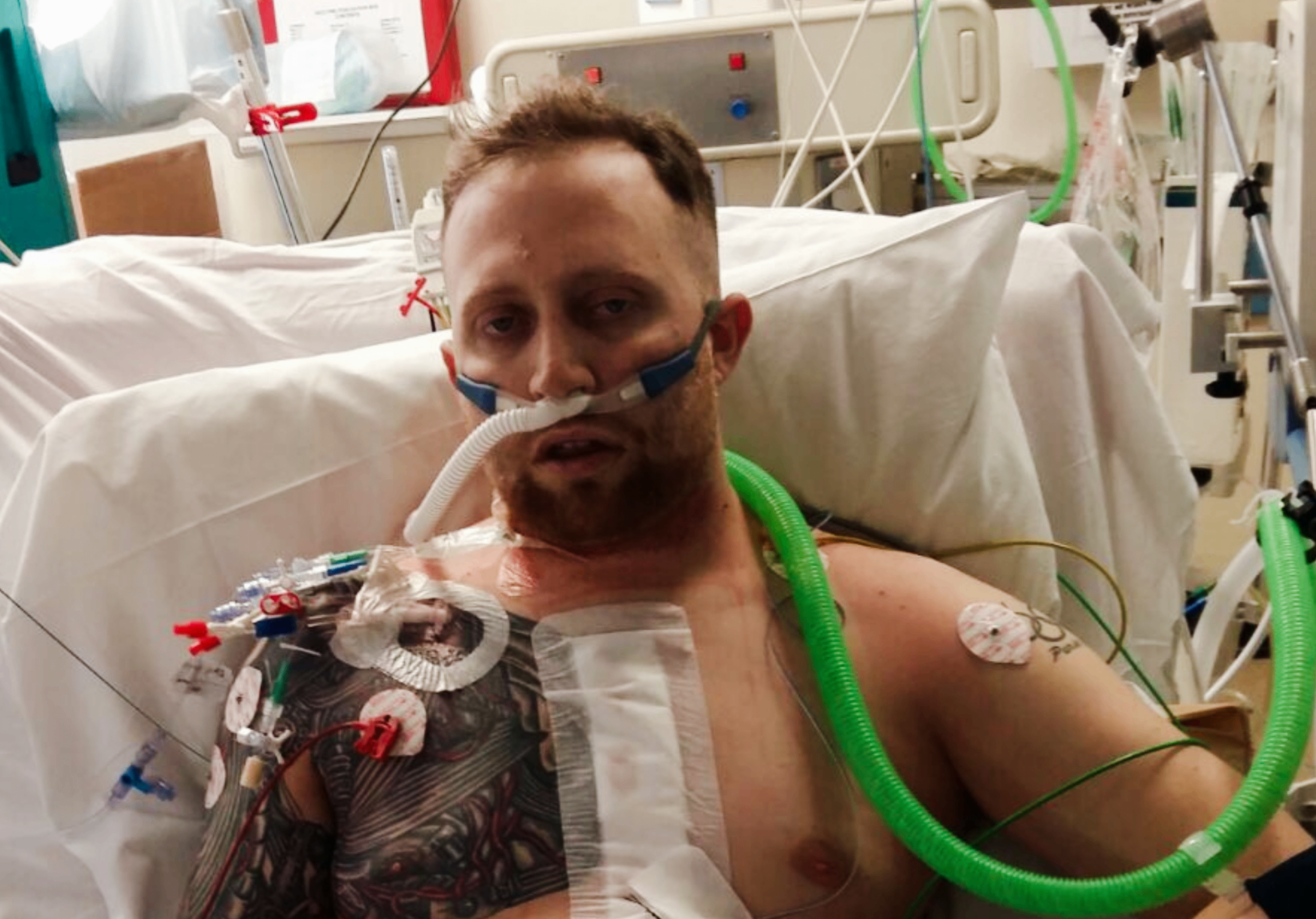
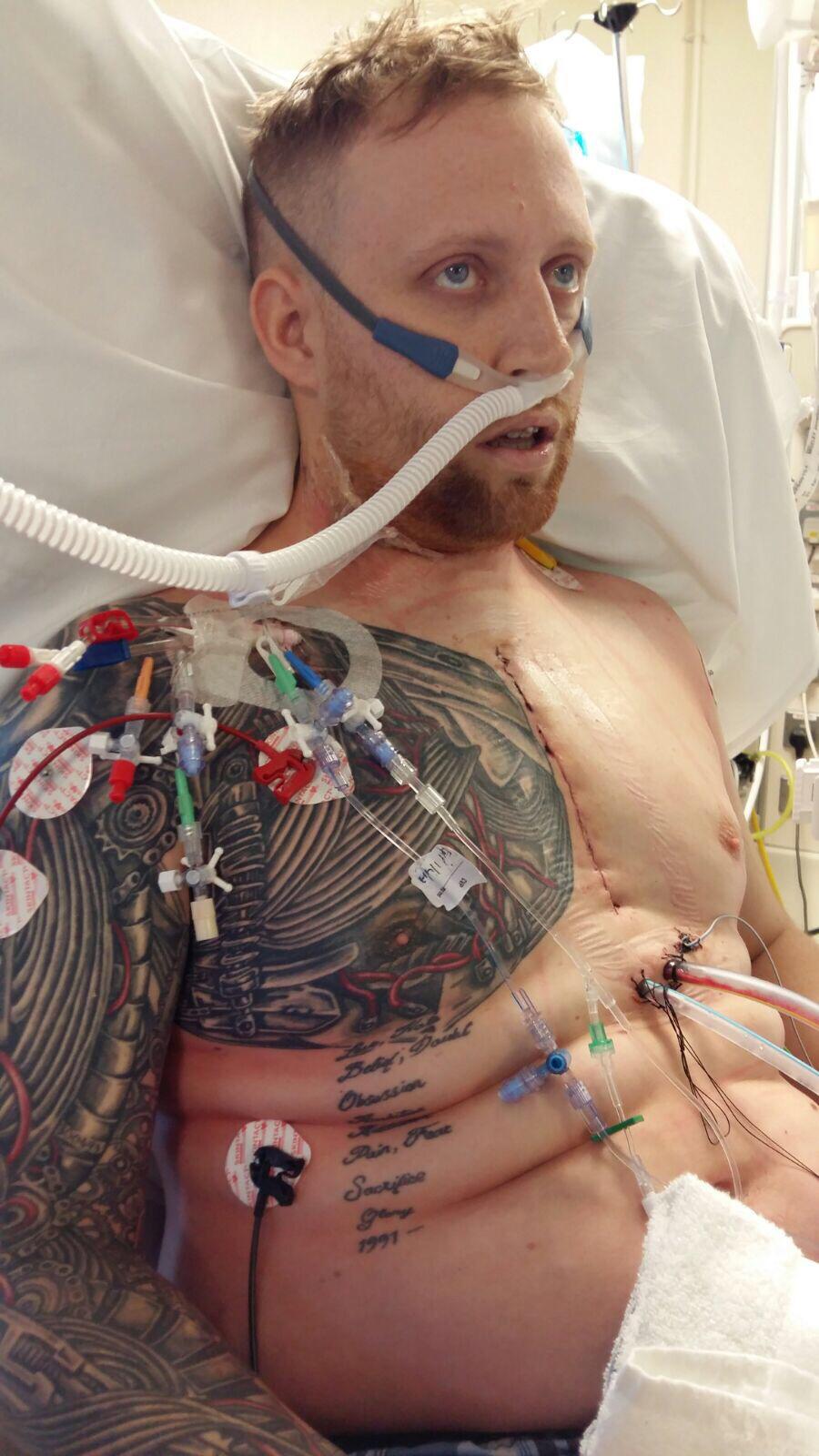
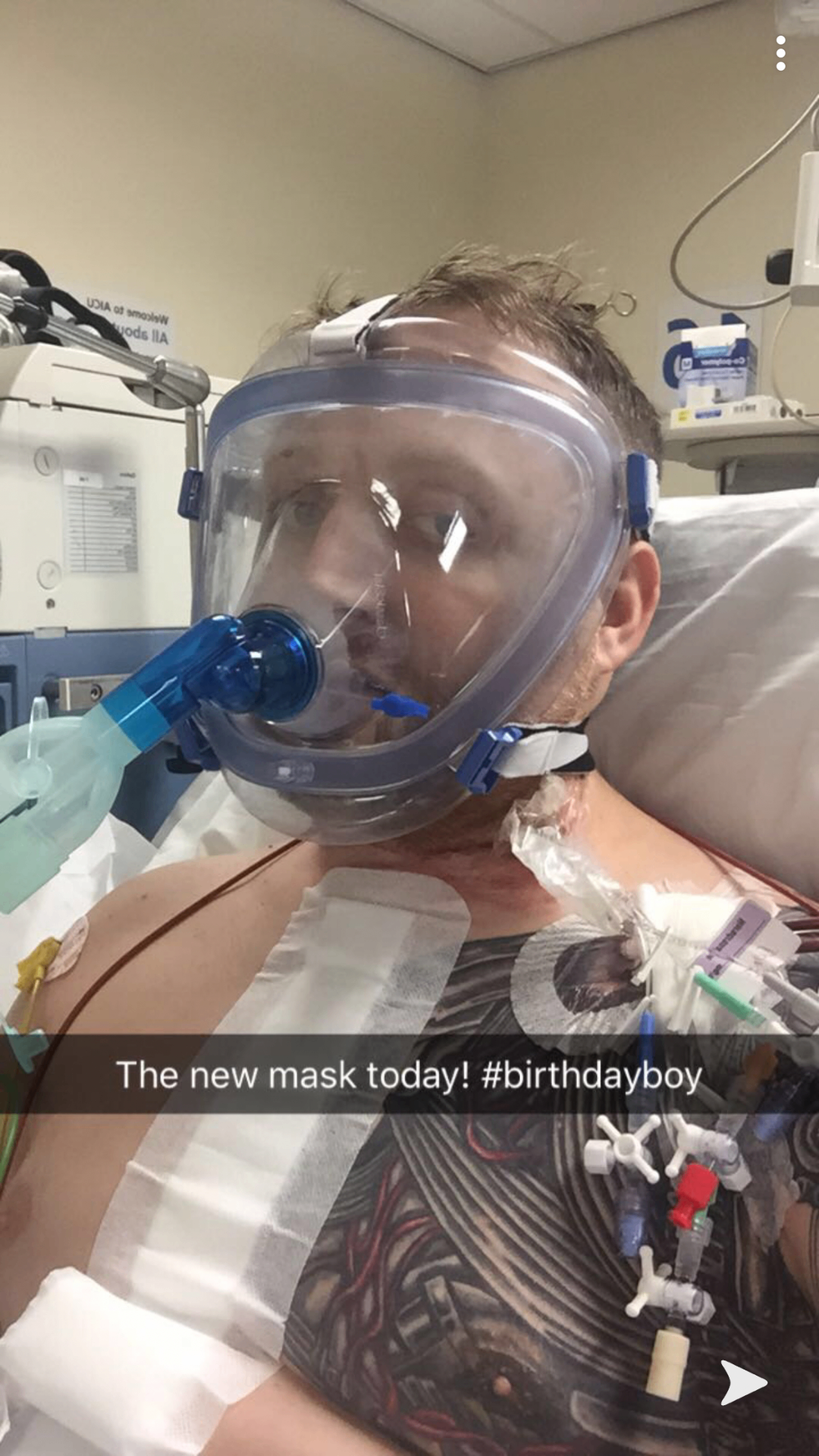
During the process of preparing for a kidney transplant, doctors discovered I had a serious heart defect from birth. I needed open-heart surgery. That operation became one of the hardest experiences of my life. My heart struggled, my lungs collapsed, and the aerobic ability that had defined me as a cyclist was taken away from me almost overnight.
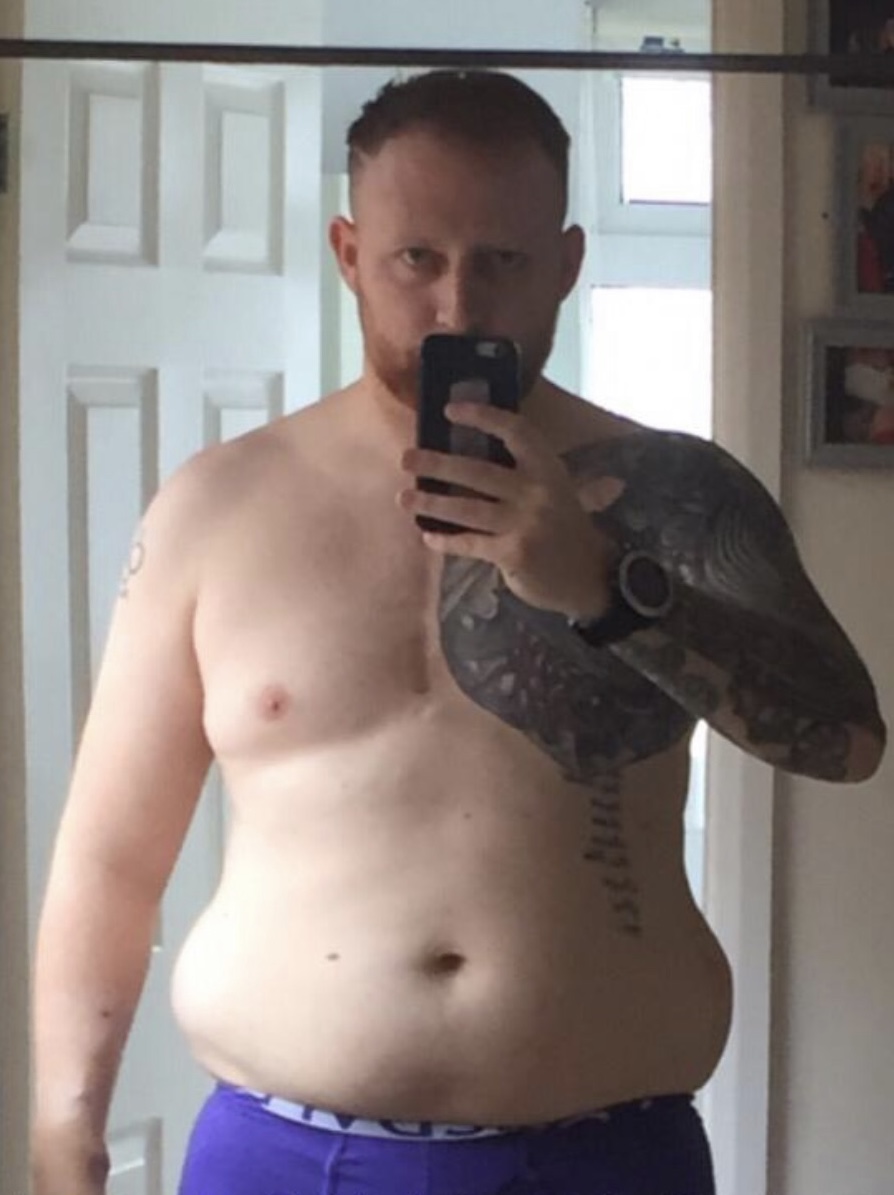
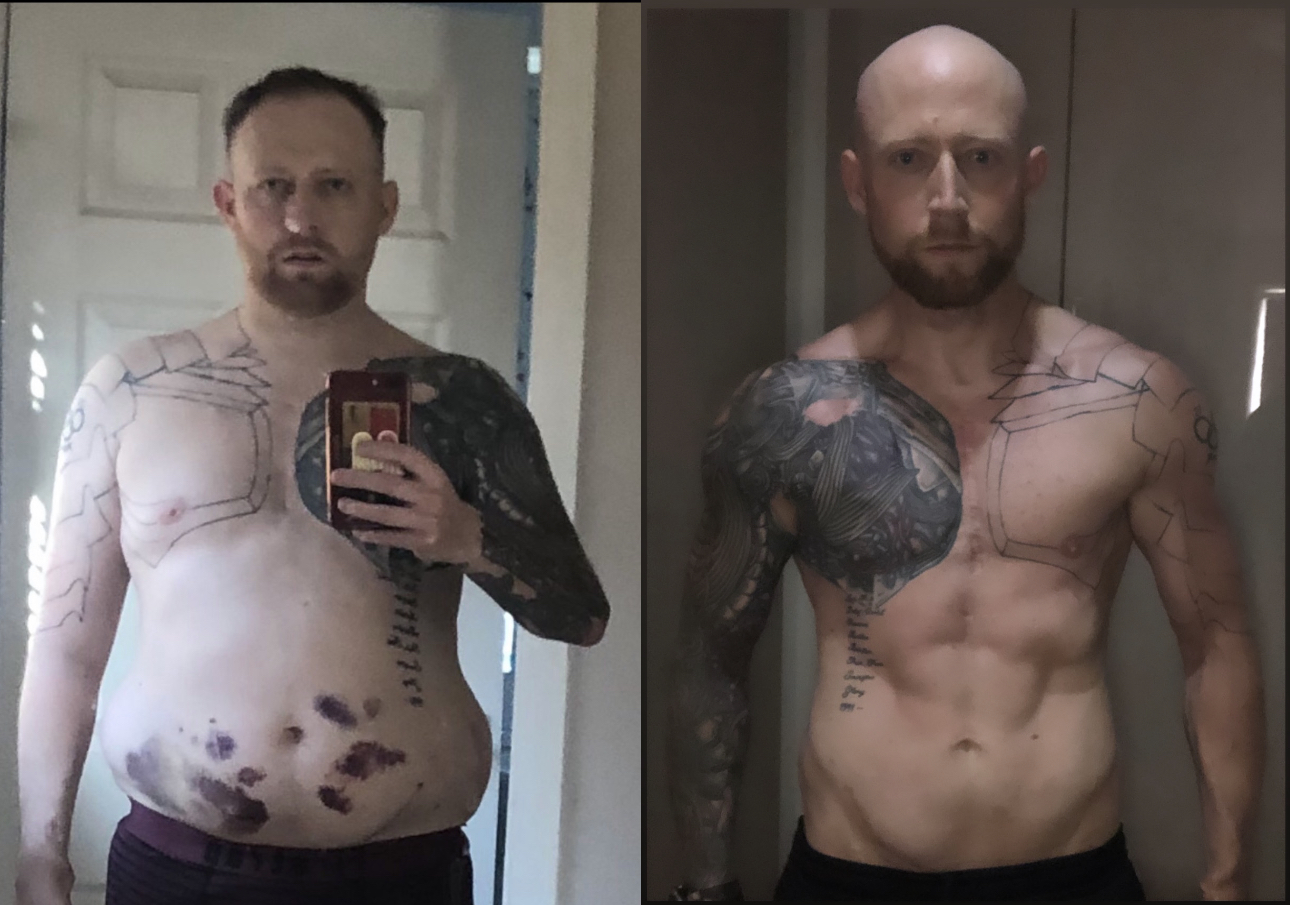
Afterwards, I had to learn to walk again. I was young, a father, a former professional athlete, and suddenly I could barely breathe walking up the stairs. I gained a lot of weight, lost confidence, struggled with insomnia, anxiety and depression, and found myself in some very dark places mentally.
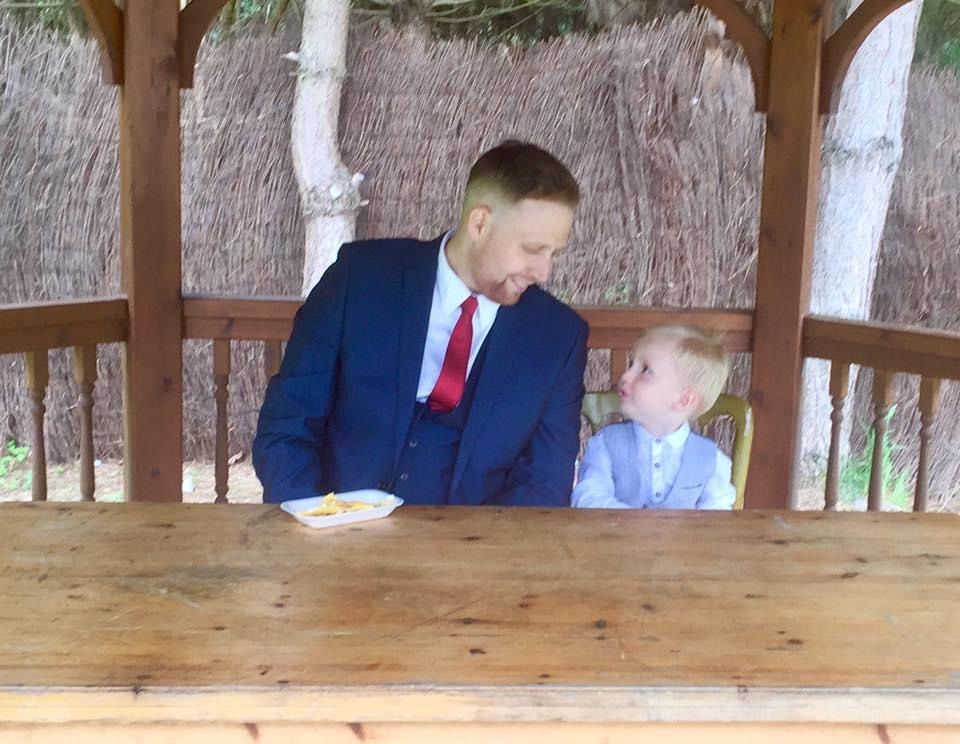
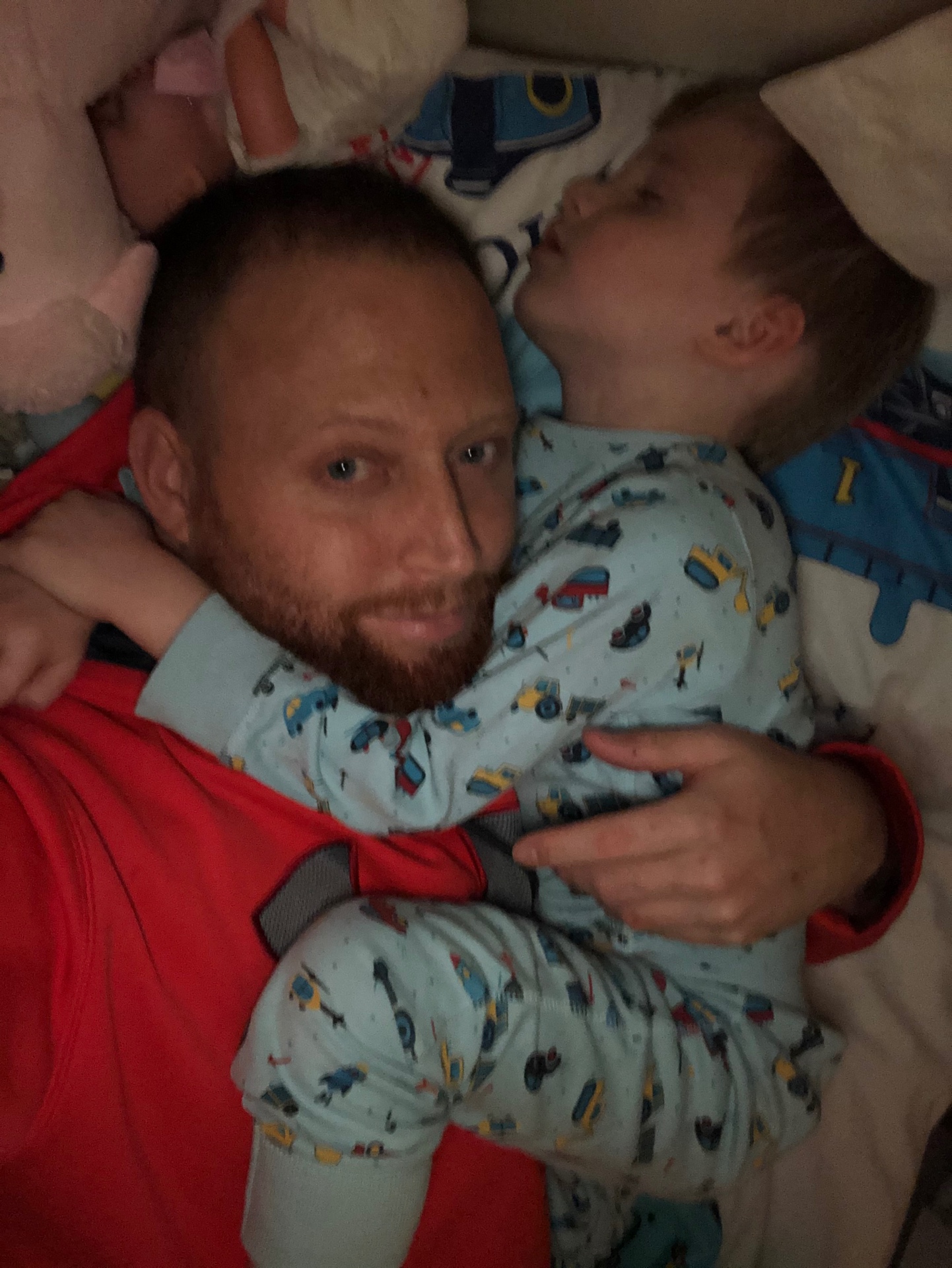
There were times when I did not recognise myself physically or emotionally. There were times when getting out of bed, making it through the day, having a shower, or simply making my bed felt like a victory. My recovery did not start with huge goals or perfect motivation. It started with small habits, tiny promises to myself, and the thought that I needed to keep going for my son, my family, and the life I still had ahead of me.
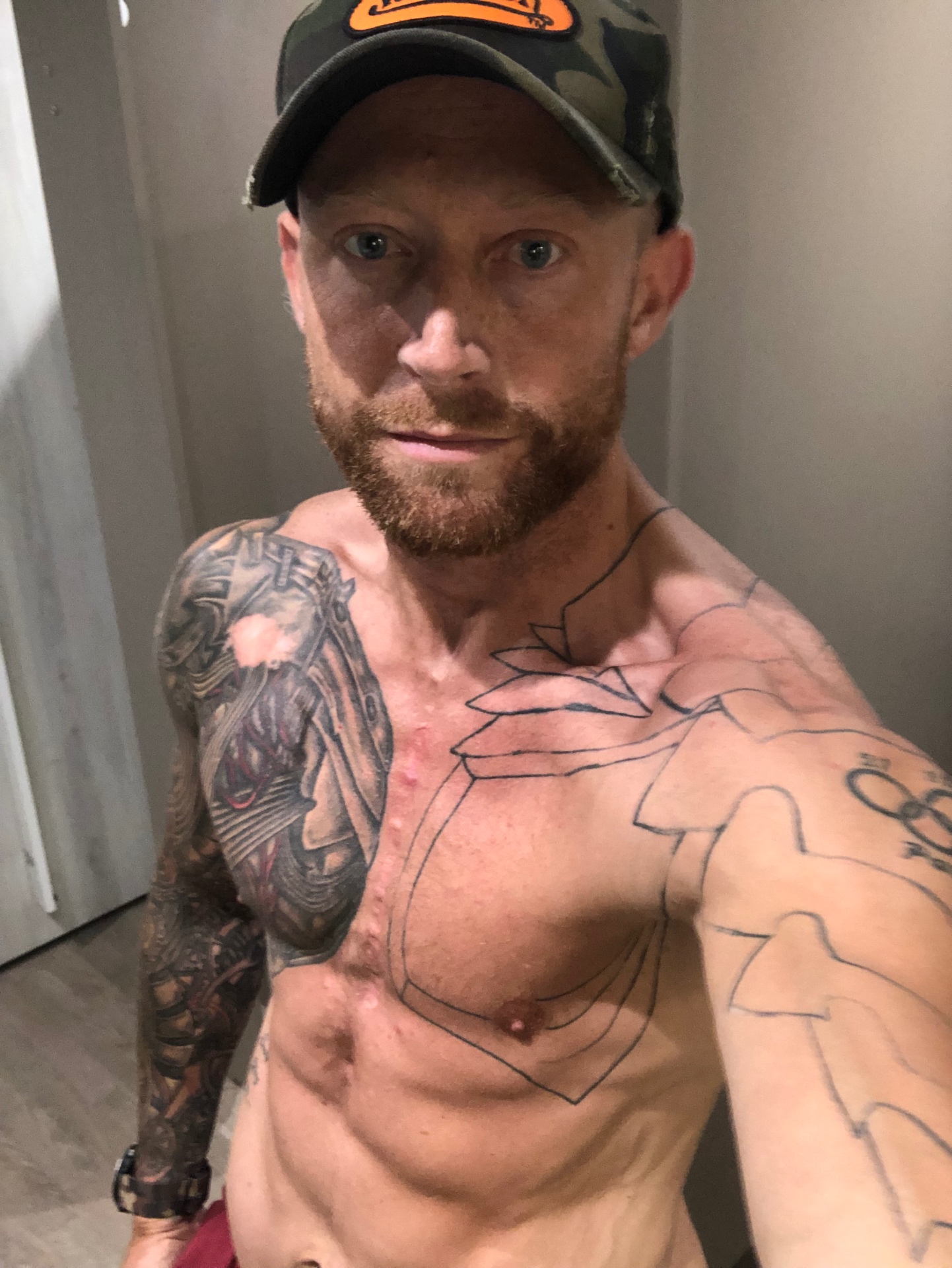
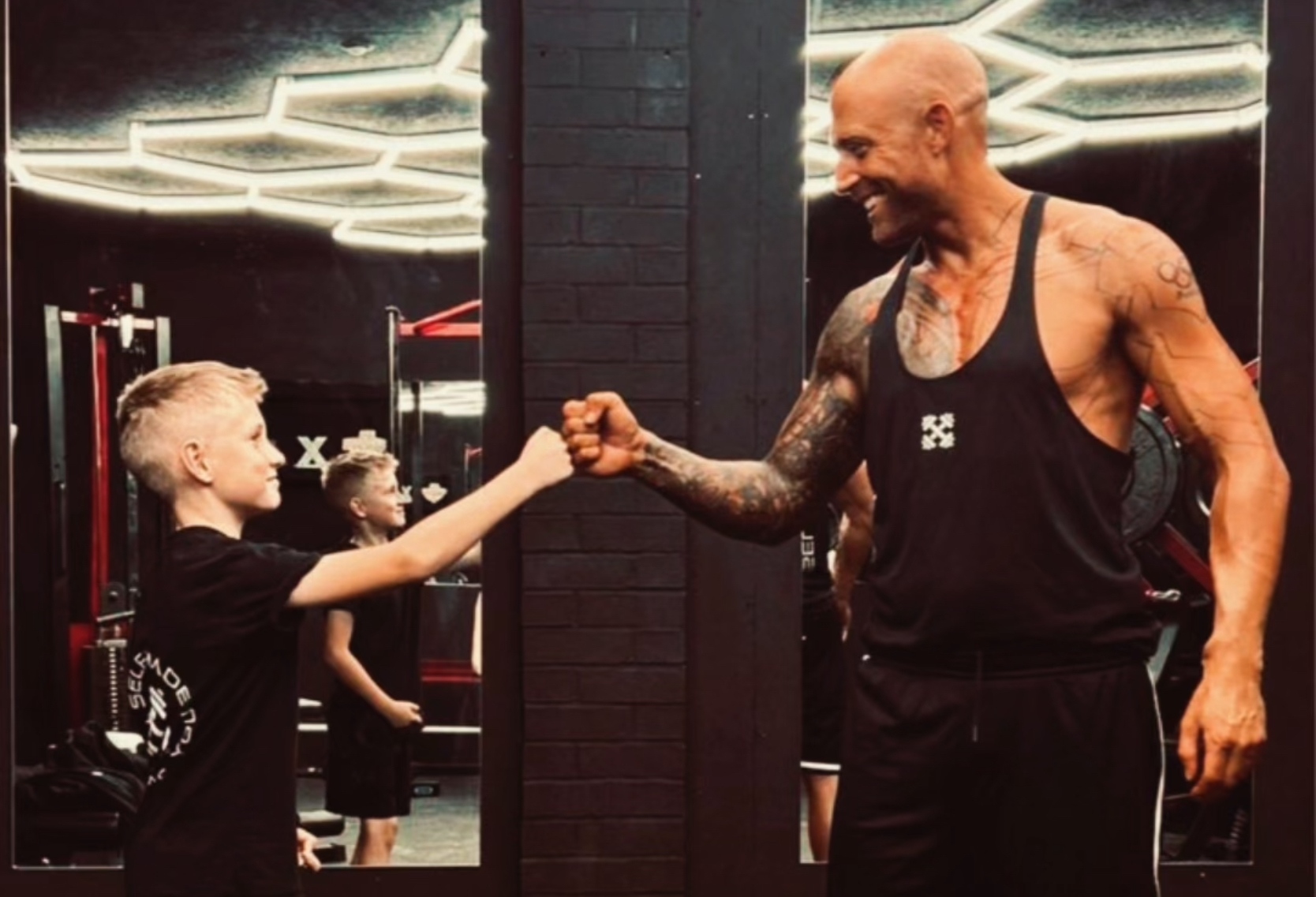
Eventually, after having a pacemaker fitted, I was able to breathe better and start walking again. I began walking by the river and canal paths. Then I slowly found my way back into the gym, even though I felt nervous, self-conscious and ashamed of how far I had fallen. That experience changed the way I saw people forever.
I know what it feels like to walk into a gym with no confidence. I know what it feels like to feel uncomfortable in your own body. I know what it feels like to be scared, anxious, depressed, overwhelmed, embarrassed, lonely and unsure how to talk about it.
After my kidney transplant, I became a personal trainer and continued working in sports massage. Very quickly, I realised that people were not only coming to me for training plans, physical results or treatment. They were opening up about life. Relationships, divorce, parenting, body image, loneliness, pressure, stress, heartbreak, confidence, grief and fear.
The gym is often where people carry the things they do not know how to say out loud. The weights do not lie. The effort is honest. For many people, training becomes one of the few stable things they can rely on when life feels chaotic.
That is why I created this part of JDM Mental Health.
I am not here to judge you, diagnose you, or pretend I have all the answers. I am here because I understand what it is like to struggle and still have to keep going. I understand what it is like to smile in front of people while feeling broken inside. I understand what it is like to lose your identity, rebuild your confidence, and start again from a place you never imagined you would be.
I believe people open up when they feel safe, understood and not judged. My life experience allows me to connect with people on a real level, especially those who find it hard to talk, feel pressure to stay strong, or think nobody would understand what they are carrying.
Whether through fitness, massage, conversation or support, my purpose is the same: to help people feel less alone, more understood, and more capable of taking the next step forward.
I have lived through elite sport, pressure, illness, heart surgery, kidney failure, dialysis, transplant, body image struggles, anxiety, depression, fatherhood, business, and rebuilding myself from rock bottom.
That does not make me perfect.
It makes me human.
And sometimes, the most powerful thing you can hear from someone is:
“I get it. I’ve been there. You don’t have to carry it on your own.”
A Life In Pictures